


 "Olen todella tyytyväinen: vedokset ovat kauniita ja toimitus oli nopea."
 "Laaja vintagejulisteiden valikoima"
 "Piilotettu helmi taiteen ystäville"
"Olen todella tyytyväinen: vedokset ovat kauniita ja toimitus oli nopea."
"Laaja vintagejulisteiden valikoima"
"Piilotettu helmi taiteen ystäville"
"Olen todella tyytyväinen: vedokset ovat kauniita ja toimitus oli nopea."
"Laaja vintagejulisteiden valikoima"
"Piilotettu helmi taiteen ystäville"
"Olen todella tyytyväinen: vedokset ovat kauniita ja toimitus oli nopea."
"Laaja vintagejulisteiden valikoima"
"Piilotettu helmi taiteen ystäville"
"Piilotettu helmi taiteen ystäville"
"Olen todella tyytyväinen: vedokset ovat kauniita ja toimitus oli nopea."
"Laaja vintagejulisteiden valikoima"
"Piilotettu helmi taiteen ystäville"
"Olen todella tyytyväinen: vedokset ovat kauniita ja toimitus oli nopea."
"Laaja vintagejulisteiden valikoima"
"Piilotettu helmi taiteen ystäville"
"Olen todella tyytyväinen: vedokset ovat kauniita ja toimitus oli nopea."
"Laaja vintagejulisteiden valikoima"
"Piilotettu helmi taiteen ystäville"




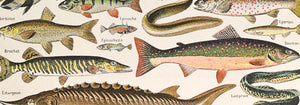
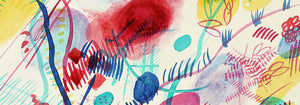
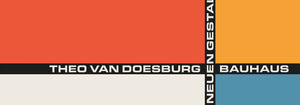
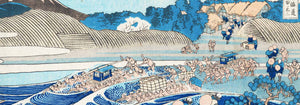


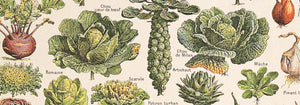
- Sipulijuliste
- Retiisijuliste
- Tanssiva pari lumessa Juliste
- Jet Clipper Havaijille Juliste
- Campari Soda Juliste
- Bec-Kina Juliste
- Mansikkavaras Juliste
- Matisse · tanssivat hahmot juliste
- Tom Krojerin näyttelyjuliste Juliste
- Berliinin katunäkymä Juliste
- Ernst Kirchner -näyttelyjuliste
- Puisto lähellä Lu juliste
- Alku Juliste
- Hämärän rengas Juliste
- Parler Seul -juliste
- Fauni ja nymfi juliste
- Unelma juliste
- Konserttijuliste
- Nainen ja lintu yössä juliste
- Bauhaus 20 Juliste
- Bauhaus 21 Juliste
- Syö enemmän hedelmiä juliste
- Snoopy tulee kotiin juliste
- Lontooseen Jet Clipperillä Juliste
- Kyushu-Okinawa-juliste
- Xerez Pedro Domecq Juliste
- Balsam Aperitif -juliste
- Voi Juliste
- Crans-Montana Juliste
- Monte Carlo Juliste
- Tyynen värähtelyt juliste
- Continental Hawaii -lentoyhtiön juliste
- Mustakissa 4 juliste
- Musta kissa 3 juliste
- Olut ja savuke Juliste
Uutuudet
-

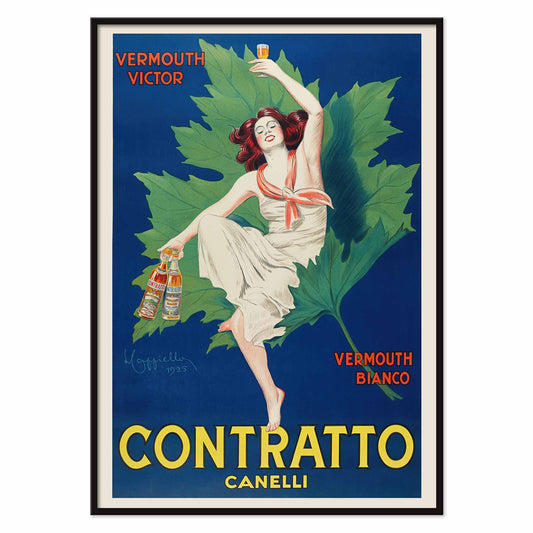
Contratto vermouth Canelli Juliste
Leonetto Cappiello · 1922 · italialaisessa vermuttijulisteessa nainen kohottaa lasiaan valtavia vihreitä lehtiä vasten
Juliste €9 · Kehystetty €16
-

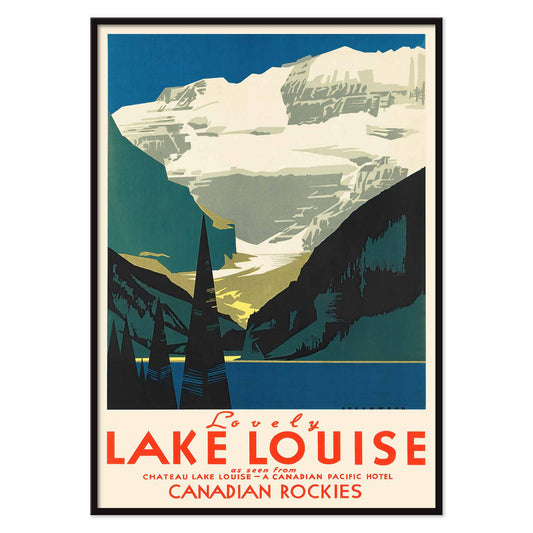
Lovely Lake Louise Juliste
Tuntematon taiteilija · 1950 · Kanadan Kalliovuorten matkajulisteessa lumiset huiput kohoavat sinisen järven ja tummien mäntyjen yllä
Juliste €9 · Kehystetty €16
-

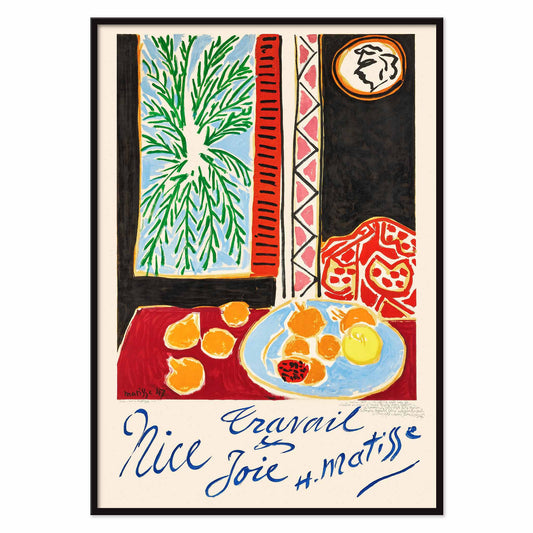
Nice, Work and Joy Juliste
Henri Matisse · 1947 · värikäs Nizza-juliste, jossa vihreät palmunlehdet kohoavat hedelmien ja sinisen kaunokirjoituksen ylle
Juliste €9 · Kehystetty €16
-

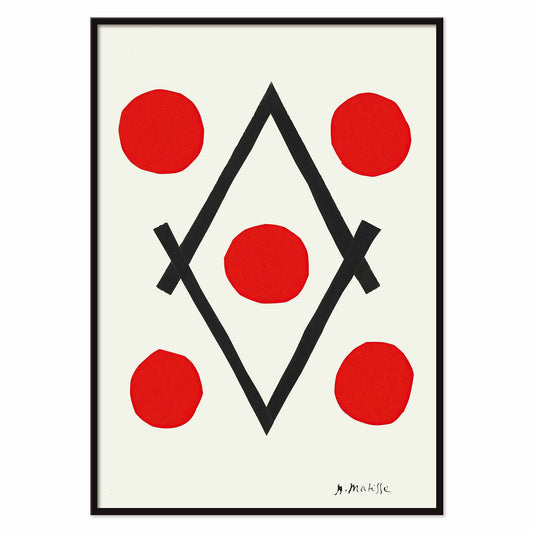
Losange Juliste
Henri Matisse · 1947 · Losange-taidejulisteessa viisi punaista ympyrää ympäröi mustaa vinoneliötä luonnonvalkoisella pohjalla
Juliste €9 · Kehystetty €16
-

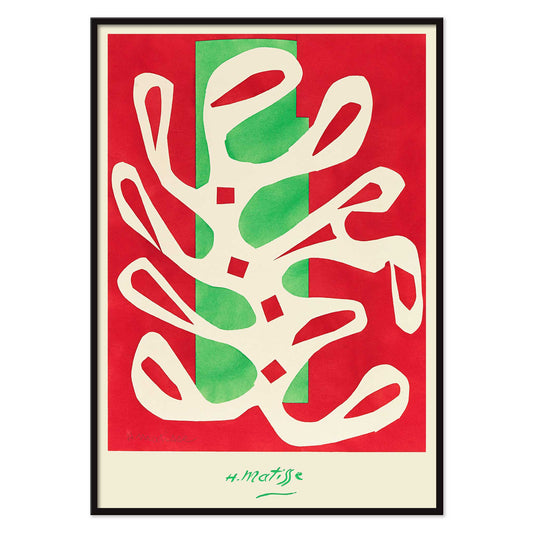
Valkoinen levä punaisella ja vihreällä taustalla Juliste
Henri Matisse · 1947 · abstrakti taidejuliste, jossa vaaleat, merilevää muistuttavat muodot erottuvat kirkkaan punaista ja vihreää vasten
Juliste €9 · Kehystetty €16
-

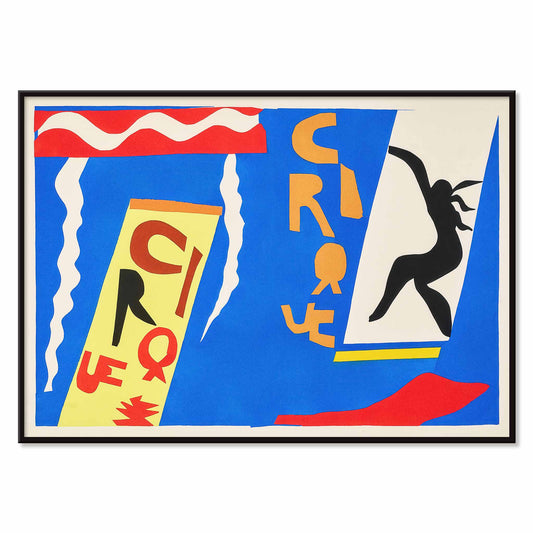
Sirkus Juliste
Henri Matisse · 1947 · sirkusjuliste, jossa musta akrobaatti hyppää kirkkaansinisellä taustalla hajalleen siroteltujen kirjainten lomassa
Juliste €9 · Kehystetty €16
-

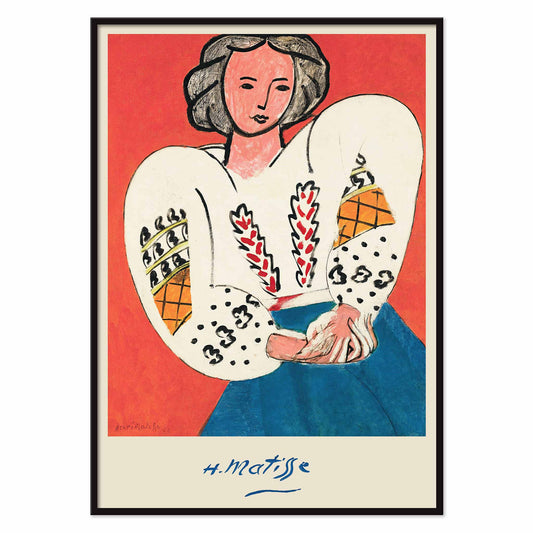
The Romanian Blouse Juliste
Henri Matisse · 1940 · ilmeikäs muotokuvajuliste, jossa kirjailtu valkoinen pusero erottuu hehkuvanpunaista taustaa vasten
Juliste €9 · Kehystetty €16
-

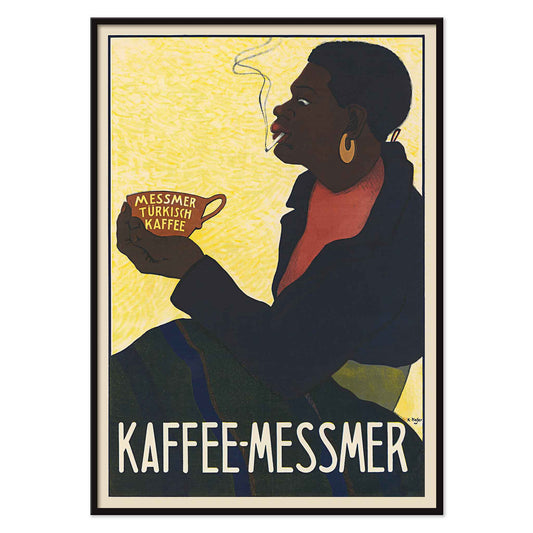
Messmer Turkish Coffee Juliste
Karl Hofer · 1900 · tupakoivaa kahvinjuojaa ja kirjaimin koristeltua kuppia esittävä vintagemainosjuliste hehkuvankeltaisella taustalla
Juliste €9 · Kehystetty €16
-

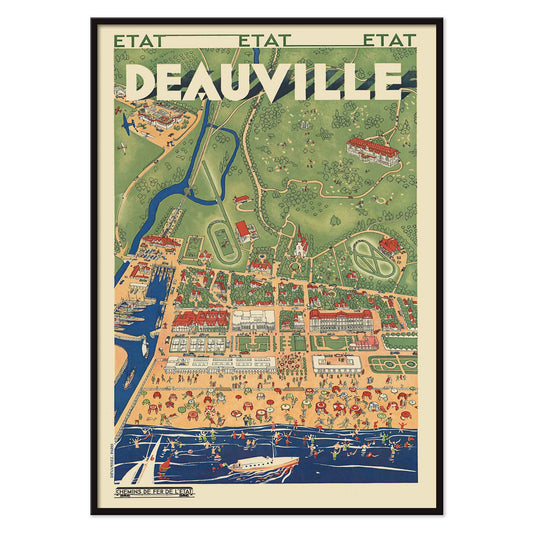
Junamatka Deauvilleen Juliste
Tuntematon taiteilija · 1931 · kuvitettu Deauvillen matkajuliste näyttää vilkkaan rannan vehreän, kumpuilevan rannikkomaiseman ja sataman äärellä
Juliste €9 · Kehystetty €16
-

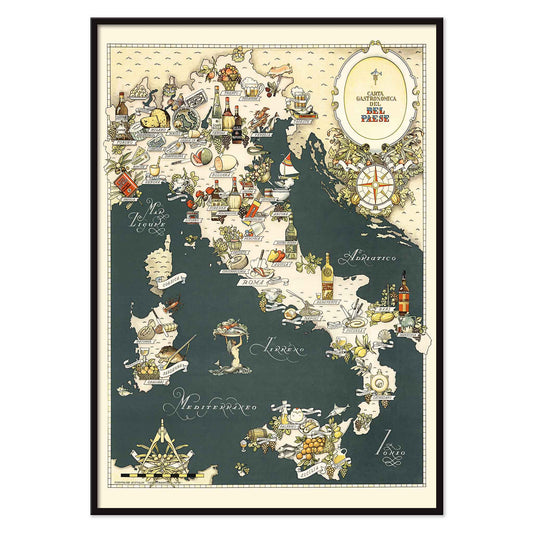
Italian gastronominen kartta Juliste
Vsevolod Nicouline · 1949 · italialainen ruokakartta esittelee paikallisia herkkuja ja merenneidon tummanvihreällä merellä
Juliste €9 · Kehystetty €16
-

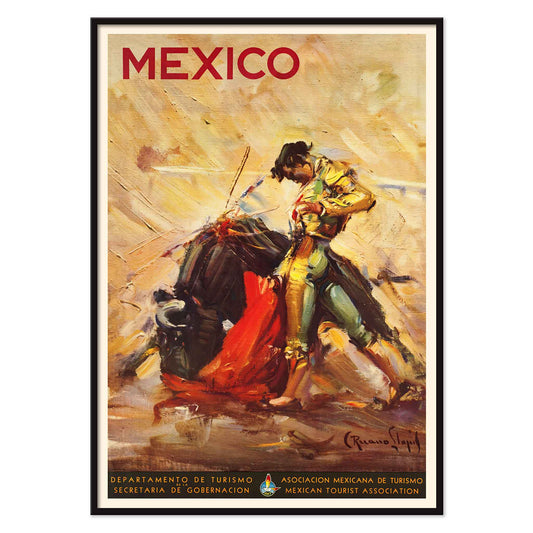
Mexico Juliste
Carlos Ruano Llopis · 1944 · dramaattinen matkajuliste kuvaa matadorin ja mustan härän kohtaamista punaisen tekstin alla
Juliste €9 · Kehystetty €16
-

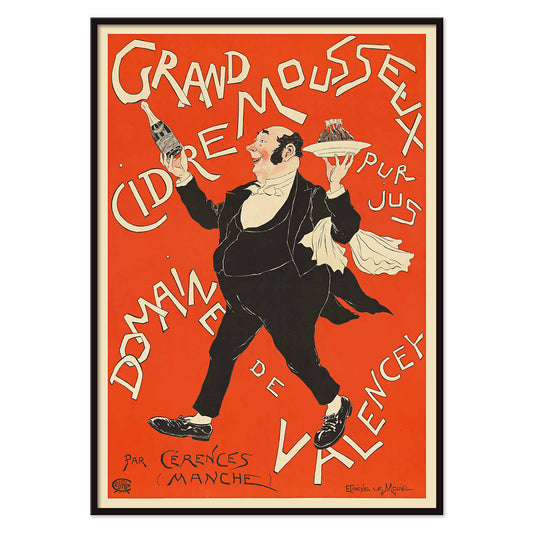
Runsaasti kuohuva siideri Juliste
Eugène Le Mouel · 1897 · eloisa siiderijuliste kuvaa punaista taustaa vasten pulloa kohottavaa tarjoilijaa
Juliste €9 · Kehystetty €16


-

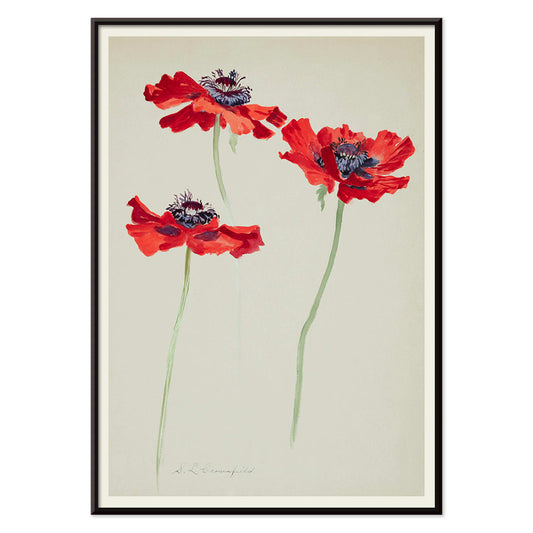
Kolme unikkotutkielmaa Juliste
Sophia Crownfield · 1900 · herkän kasviaiheinen taidejuliste, kolmen unikkotutkielman sarja kirkkaine terälehtineen ja ajattomalla eleganssilla
Juliste €9 · Kehystetty €16
-

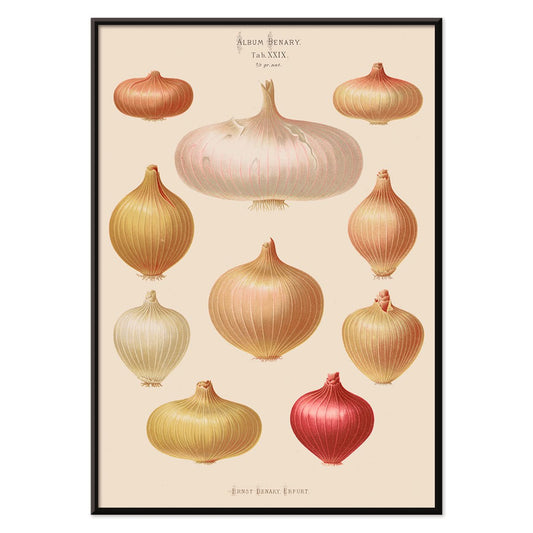
Sipulijuliste
Ernst Benary · 1876 · yksityiskohtainen sipulijuliste jossa mukulat, juuret ja vihreät versot beigeä taustaa vasten keittiöön
Juliste €9 · Kehystetty €16
-

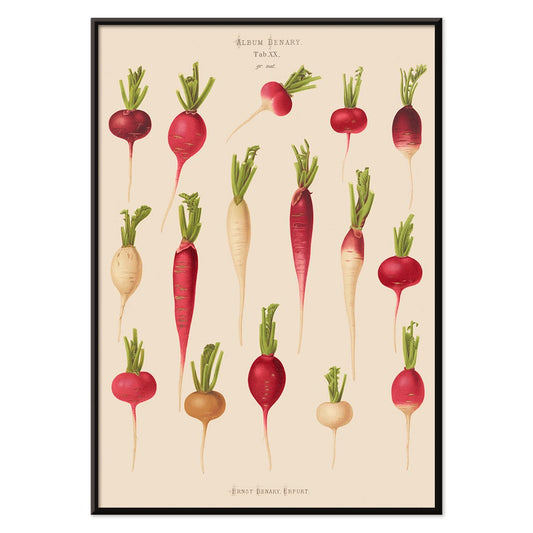
Retiisijuliste
Ernst Benary · 1876 · yksityiskohtainen retiisijuliste, jossa selkeät juuret ja lehtikruunut lämpimällä beigetaustalla kodikasta tunnelmaa
Juliste €9 · Kehystetty €16
-

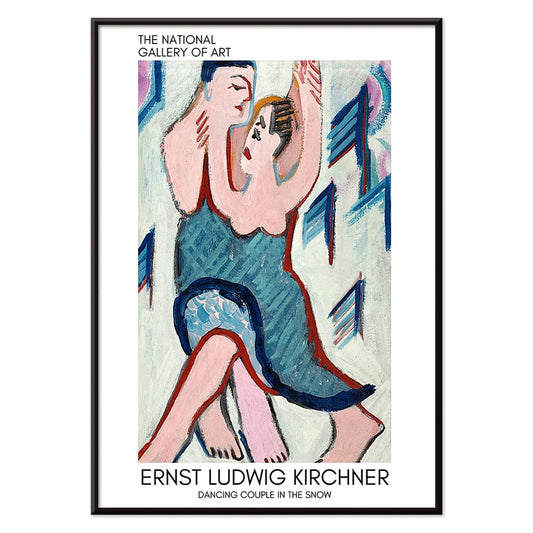
Tanssiva pari lumessa Juliste
Ernst Ludwig Kirchner · 1928 · ekspressionistinen taidejuliste tanssivasta parista elävässä lumimaisemassa vahvoin sinisen ja punaisen aksentein
Juliste €9 · Kehystetty €16
-
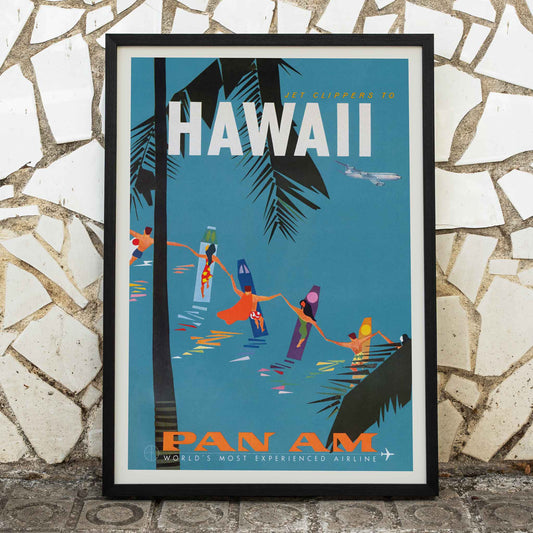
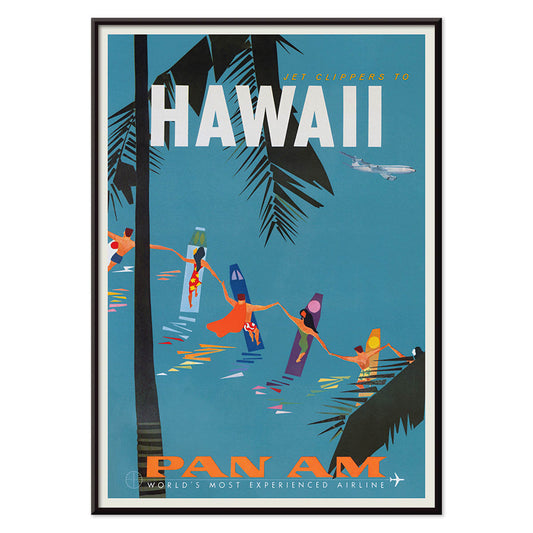
Jet Clipper Havaijille Juliste
Tuntematon taiteilija · 1950 · 1950-luvun vintagejuliste Havaijista, suihkukoneita, palmurantoja, hula-tanssia, surffausmateriaalia, retrotyyliä ja aurinkoa
Juliste €9 · Kehystetty €16
-

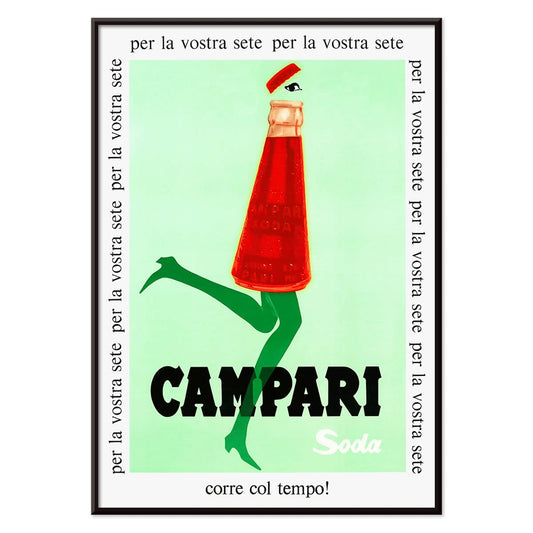
Campari Soda Juliste
Tuntematon taiteilija · 1932 · leikkisä Campari Sodamainosjuliste kävelevällä pullolla syvässä mustassa taustassa, retrotyylinen eloisa
Juliste €9 · Kehystetty €16
-

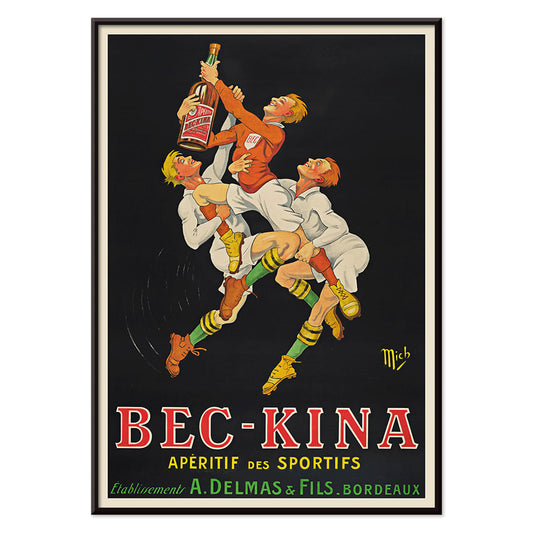
Bec-Kina Juliste
Michel Liebeaux · 1900 · energinen rugby-aiheinen aperitiivijuliste voimakkailla hahmoilla ja kirkkailla väreillä luo kilpailuhenkisen tunnelman kotibaariin
Juliste €9 · Kehystetty €16
-

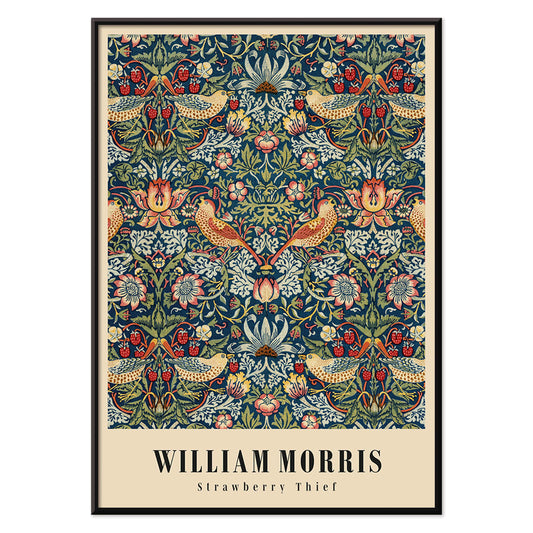
Mansikkavaras Juliste
William Morris · 1883 · ikoninen Arts and Crafts -juliste rastasaiheesta ja mansikoista syvän sinisissä sävyissä
Juliste €9 · Kehystetty €16
-

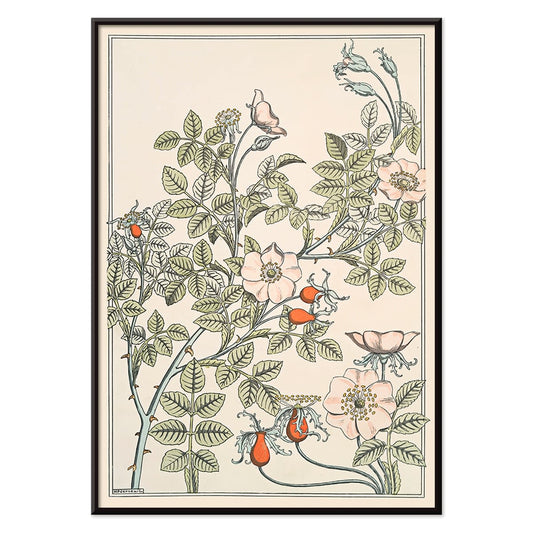
Eglantier Juliste
Maurice Pillard Verneuil · 1896 · elegantti luonnonruusujuliste virtaavilla versoilla, lehdillä ja herkillä kukinnoilla kodin seinätilaan
Juliste €9 · Kehystetty €16
-
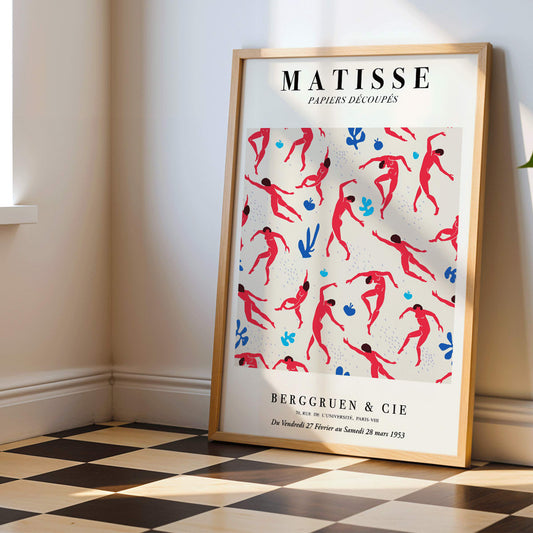
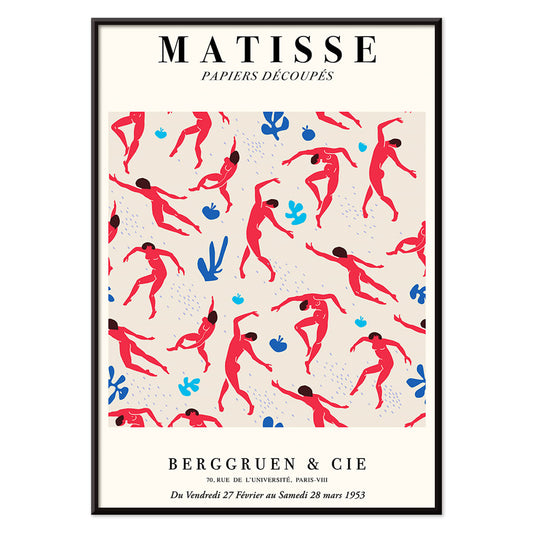
Matisse · tanssivat hahmot juliste
Henri Matisse · 1909 · energinen tanssivat hahmot juliste, rohkeat punaiset siluetit syvää sinistä vasten
Juliste €9 · Kehystetty €16
-
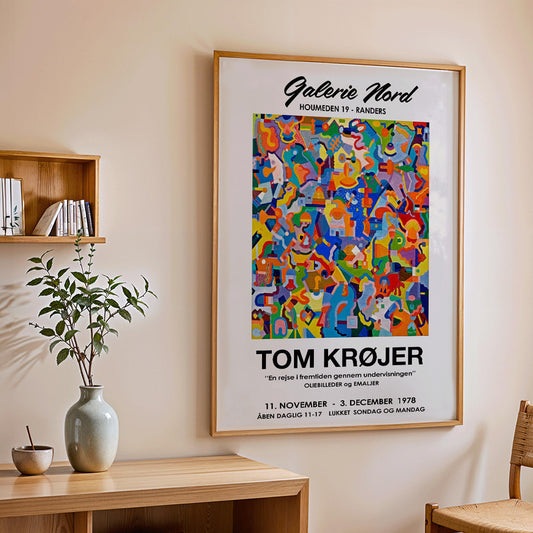
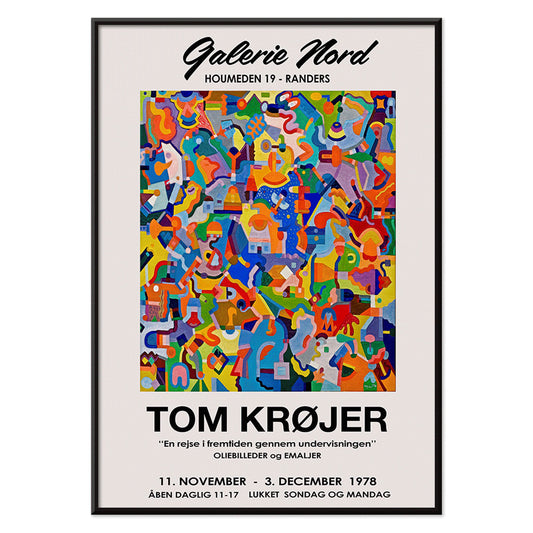
Tom Krojerin näyttelyjuliste Juliste
Tom Krojer · 1989 · dynaaminen geometrinen näyttelyjuliste, jossa elävät väripinnat ja selkeä moderni typografia
Juliste €9 · Kehystetty €16
-

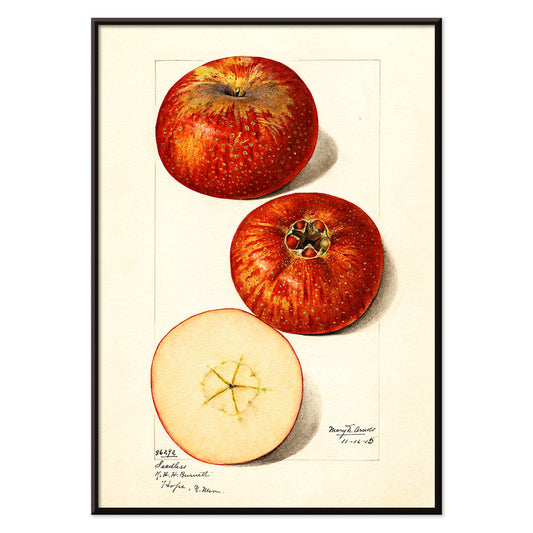
Malus domestica -juliste
Mary Daisy Arnold · 1915 · yksityiskohtainen omenataidejuliste kokonaisella hedelmällä ja viipaloidulla poikkileikkauksella lämmin paperitausta
Juliste €9 · Kehystetty €16
-

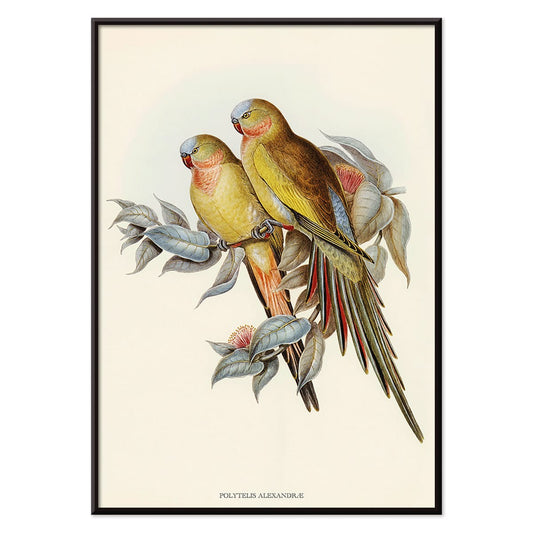
Polytelis Alexandrae Juliste
Tuntematon taiteilija · 1873 · elegantti parakeettijuliste kahdella pitkähäntäisellä linnulla tuoreissa vihreän ja ruusunpunaisen sävyissä
Juliste €9 · Kehystetty €16
-

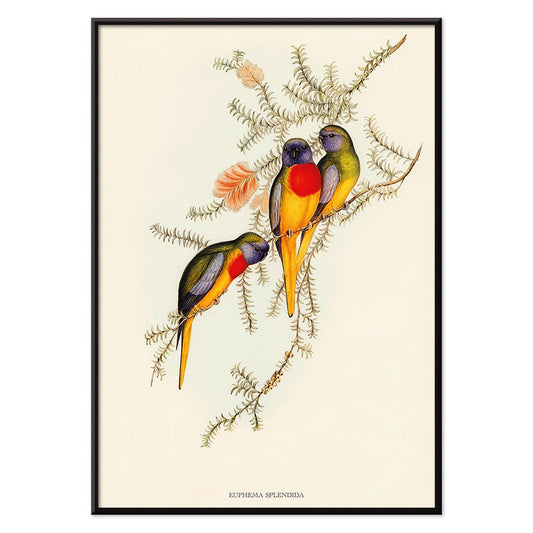
Euphema splendida Juliste
Tuntematon taiteilija · 1848 · yksityiskohtainen papukaijajuliste, kolme lintua oksilla lehtien keskellä, ajaton seinätaide sisustukseen
Juliste €9 · Kehystetty €16
-

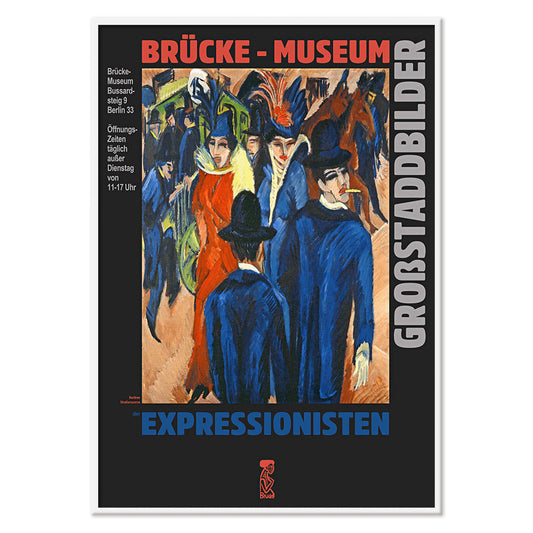
Berliinin katunäkymä Juliste
Ernst Kirchner · 1913 · dynaaminen Berliinin katunäkymäjuliste, kirkkailla väreillä ja kulmikkailla hahmoilla
Juliste €9 · Kehystetty €16
-

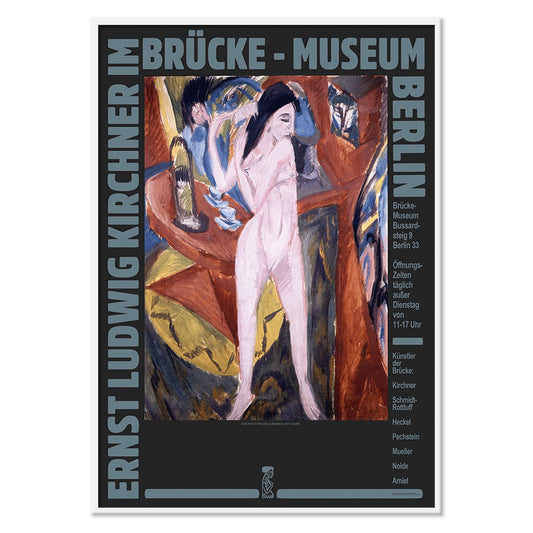
Ernst Kirchner -näyttelyjuliste
Ernst Kirchner · 1910 · ekspressionistinen alastonnäyttelyjuliste vahvoilla mustilla ääriviivoilla ja kirkkaina sinisen ja punaisen sävyinä
Juliste €9 · Kehystetty €16
-

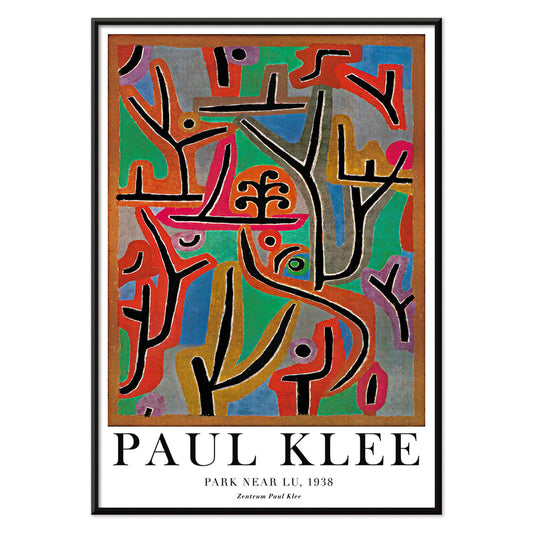
Puisto lähellä Lu juliste
Paul Klee · 1938 · unenomaisen abstrakti taidejuliste rytmisillä muodoilla, musiikillisella rytmillä ja lämpimillä sävyillä
Juliste €9 · Kehystetty €16
-

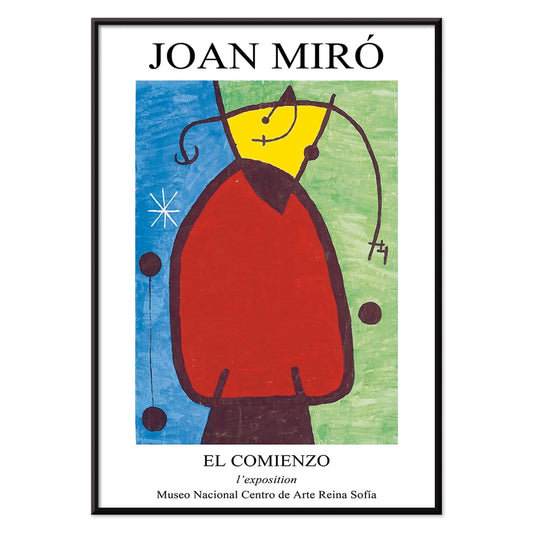
Alku Juliste
Joan Miró · 1972 · leikkisä abstrakti juliste biomorfisilla muodoilla ja vahvoilla viivoilla kirkkaissa perusväreissä
Juliste €9 · Kehystetty €16
-

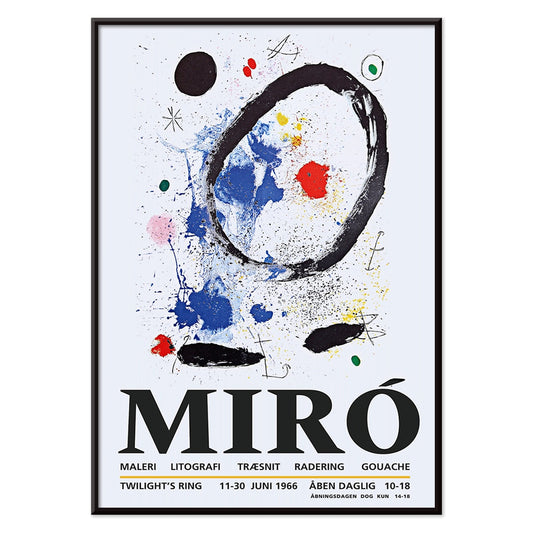
Hämärän rengas Juliste
Joan Miró · 2018 · leikkisä abstrakti juliste kiertävistä muodoista ja tähdenomaisista merkeistä syvän sinisellä pohjalla
Juliste €9 · Kehystetty €16
-

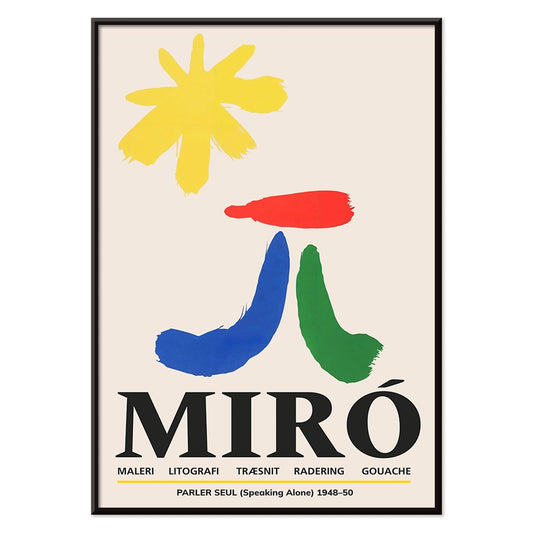
Parler Seul -juliste
Joan Miró · 1948 · leikkisä abstrakti juliste kelluvin symbolein, voimakkaiden viivojen ja primaarivärien aksentein
Juliste €9 · Kehystetty €16
-

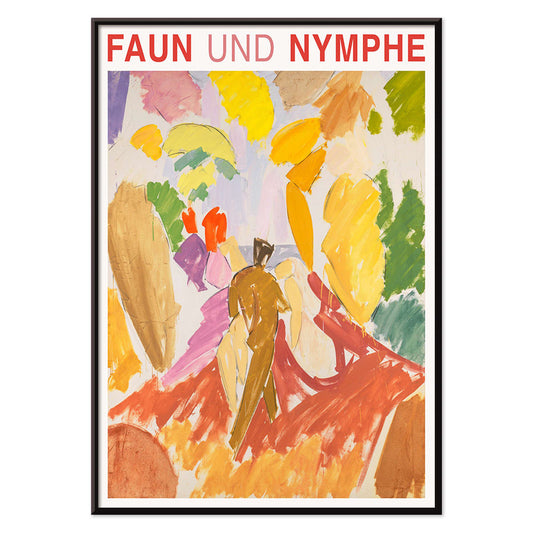
Fauni ja nymfi juliste
Edvard Weie · 1941 · ekspressiivinen myyttinen juliste, jossa fauni ja nymfi voimakkaissa modernistisissa värikentissä
Juliste €9 · Kehystetty €16
-

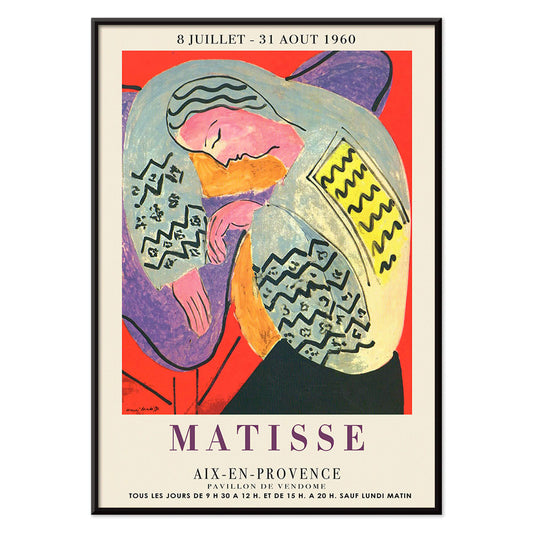
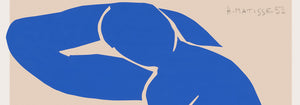
Unelma juliste
Henri Matisse · 1960 · eloisa nukkuvajuliste, virtaavat ääriviivat, rytmiset väripinnat, rauhallinen ajaton tunnelma, lämmin modernistinen eleganssi
Juliste €9 · Kehystetty €16
-

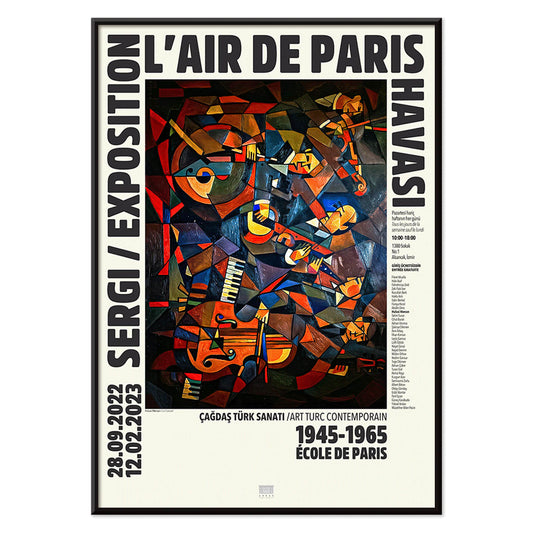
Konserttijuliste
Hulusi Mercan · 1960 · energinen abstrakti juliste musiikkisoittimista vahvoin punaisen sinisen ja keltaisen sävyin
Juliste €9 · Kehystetty €16
-

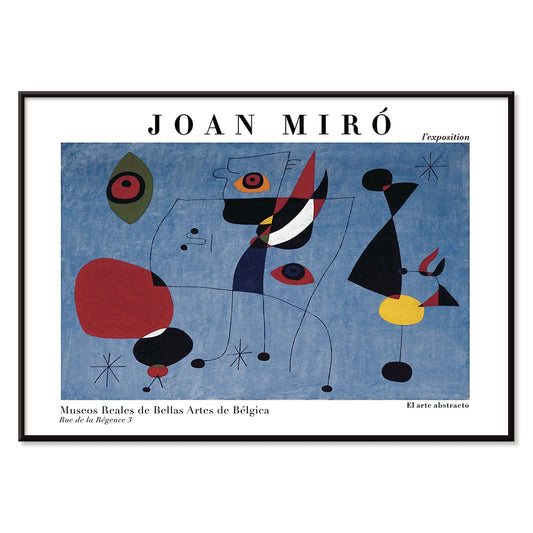
Nainen ja lintu yössä juliste
Joan Miró · 1947 · leikkisä surrealistinen juliste syvän sinisellä kentällä ja kirkkailla punaisilla ja keltaisilla merkeillä
Juliste €9 · Kehystetty €16
-

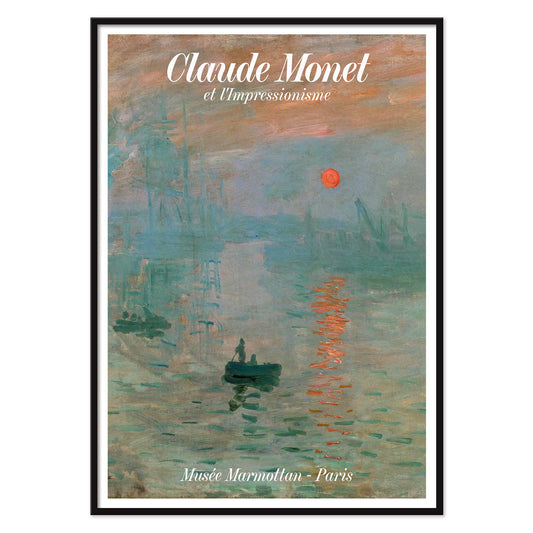
Auringonnousu Juliste
Claude Monet · 1872 · sumuinen sataman aamun juliste oranssilla auringolla ja pehmeillä sininsävyisillä heijastuksilla
Juliste €9 · Kehystetty €16
-


Metropolis Julie Juliste
Dennis Mukai · 1988 · voimakas naismuotokuvajuliste mustan, punaisen ja sinisen kontrasteilla kaupungin yöenergialla
Juliste €9 · Kehystetty €16
-
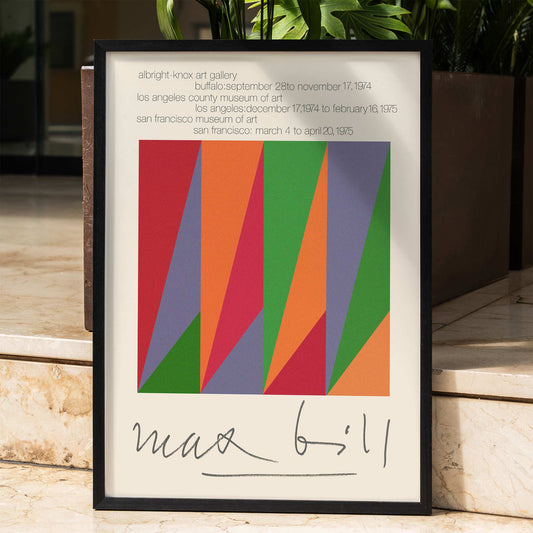

Max Bill Juliste
Max Bill · 1974 · abstrakti geometrinen juliste punaisen, oranssin, vihreän ja liilan lomittuvilla muodoilla
Juliste €9 · Kehystetty €16
-

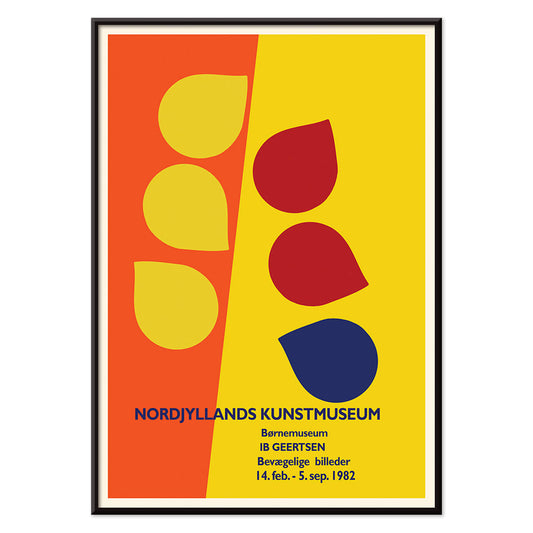
Ib Geertsen Juliste
Ib Geertsen · 1982 · värikäs geometrinen juliste jossa vahvat päävärit ja skandinaavinen selkeys ajaton
Juliste €9 · Kehystetty €16
-

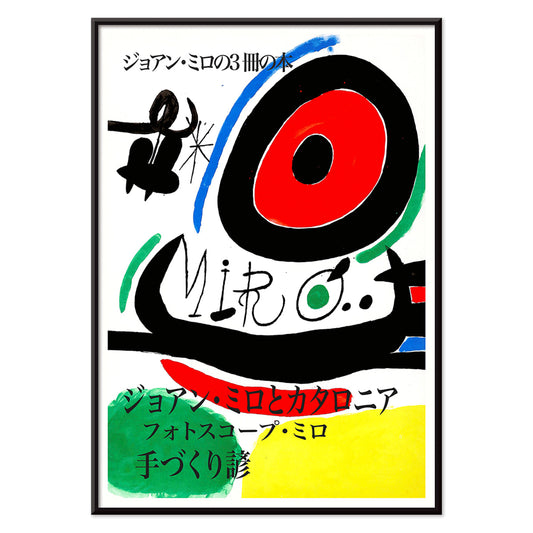
Joan Miró Osaka Juliste
Joan Miró · 1970 · leikkisä ja vahva abstrakti juliste kalligrafisilla mustilla muodoilla ja kirkkain perusvärein
Juliste €9 · Kehystetty €16
-

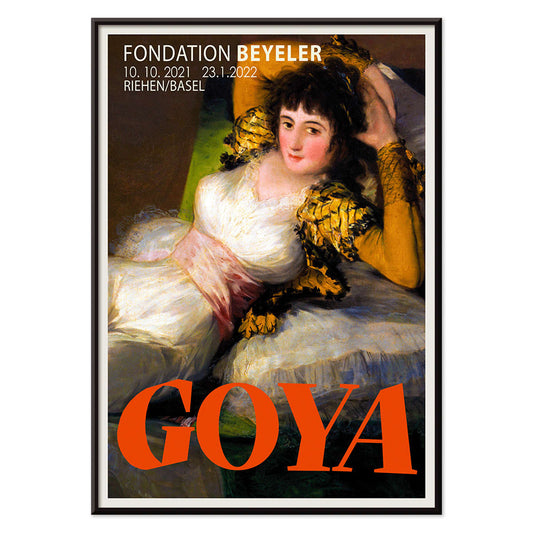
Pukeutunut maja Juliste
Francisco Goya · 1802 · ikoninen pukeutunut majajuliste kirkkailla valkoisilla, vihreällä vyöllä ja kultaisilla tyynyillä
Juliste €9 · Kehystetty €16
-


El Maestro 3 -juliste
tuntematon taiteilija · 1921 · graafinen opetusjuliste monumentaalisella kirjurin hahmolla mustassa, beigessä ja punaisessa, sopii työhuoneeseen ja lukunurkkaan
Juliste €9 · Kehystetty €16
-


Bauhaus 20 Juliste
Tuntematon taiteilija · 1923 · dynaaminen Bauhausjuliste, jossa rohkea väriblokki ja tarkka geometria kutsuvat katsetta
Juliste €9 · Kehystetty €16
-

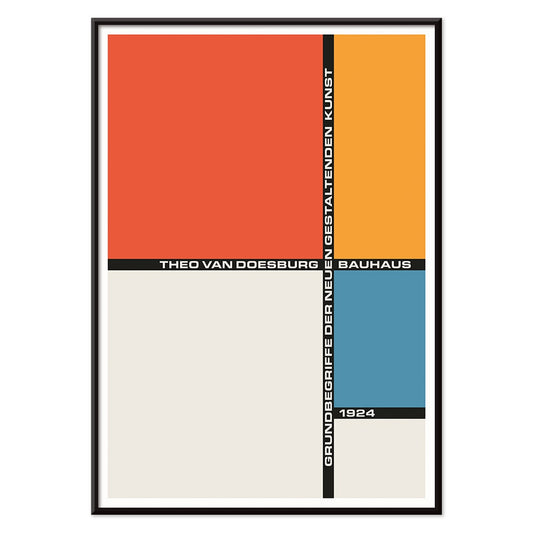
Bauhaus 21 Juliste
Tuntematon taiteilija · 1924 · geometrinen Bauhausjuliste oranssilla ympyrällä, sinisellä blokilla ja tarkoilla mustilla viivoilla
Juliste €9 · Kehystetty €16
-

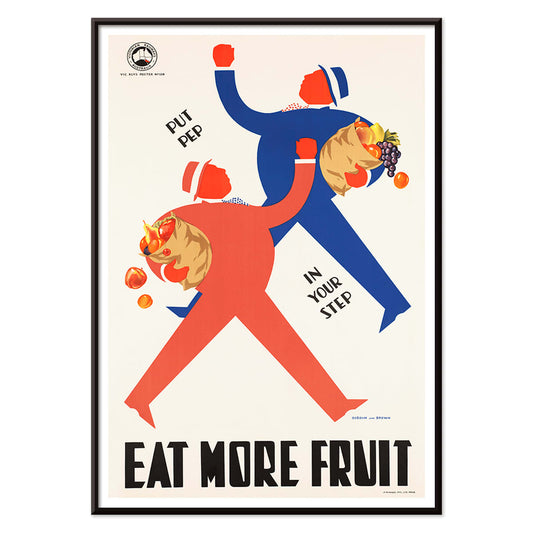
Syö enemmän hedelmiä juliste
Tuntematon taiteilija · 1950 · iloinen terveystiedotusjuliste, jossa tyylitellyt ostajat ja täynnä olevat hedelmäkorit
Juliste €9 · Kehystetty €16
-

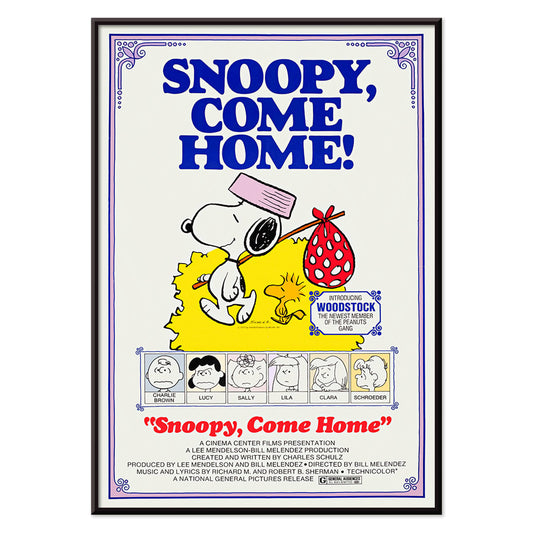
Snoopy tulee kotiin juliste
Tuntematon taiteilija · 1972 · iloinen juliste jossa Snoopy ja Woodstock selkeillä viivoilla ja kirkkailla väreillä
Juliste €9 · Kehystetty €16
-

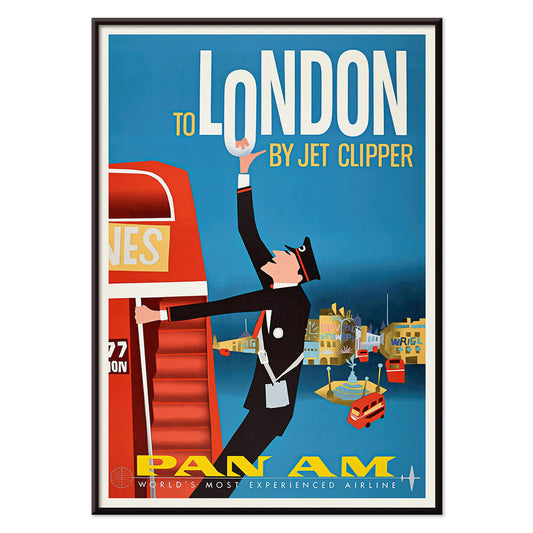
Lontooseen Jet Clipperillä Juliste
Tuntematon taiteilija · 1955 · keskisadan matkajulisteen retrohenkinen kuva Pan Am -stewardessista ja punaisesta kaksikerrosbussista
Juliste €9 · Kehystetty €16
-

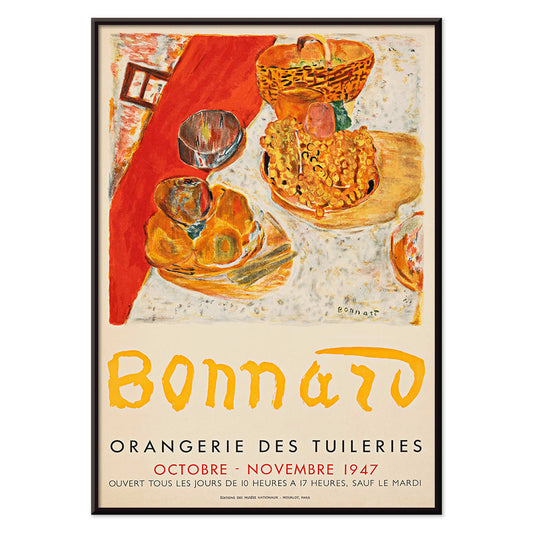
Bonnardin näyttelyjuliste
Tuntematon taiteilija · 1947 · auringonvaloinen asetelmajuliste, jossa voimakkaita värikenttiä, hienostunutta typografiaa ja nostalginen tunnelma
Juliste €9 · Kehystetty €16
-

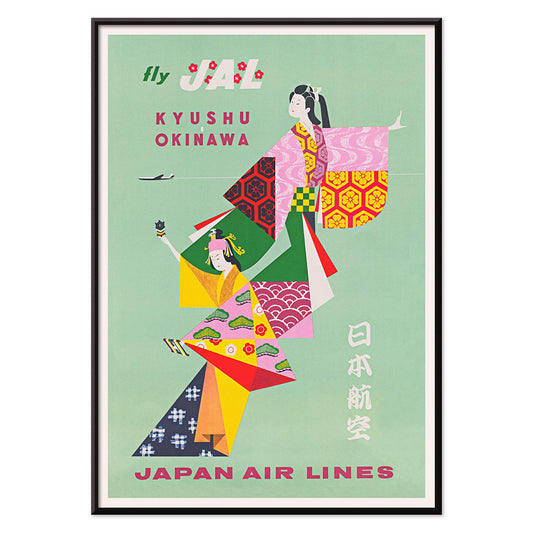
Kyushu-Okinawa-juliste
Tuntematon taiteilija · 1962 · värikäs japanilainen matkajuliste perinteisillä hahmoilla ja saarimaisemia muistuttavilla graafisilla muodoilla
Juliste €9 · Kehystetty €16
-

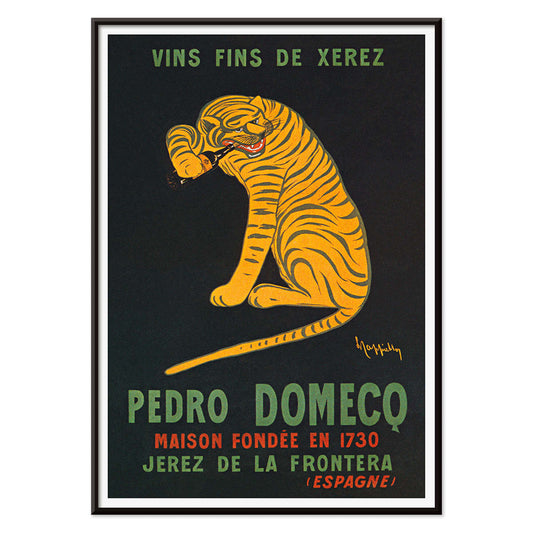
Xerez Pedro Domecq Juliste
Leonetto Cappiello · 1930 · ikoninen tiikerijuliste joka hyppää syvästä mustasta esitellen Xerez sherryn ja juhlatunnelmaa
Juliste €9 · Kehystetty €16
-


Balsam Aperitif -juliste
Jean d'Ylen · 1923 · leikkisä Art Deco -juliste naisesta ison cocktailin vieressä ja retrohenkinen seinätaide kodin baariin
Juliste €9 · Kehystetty €16
-

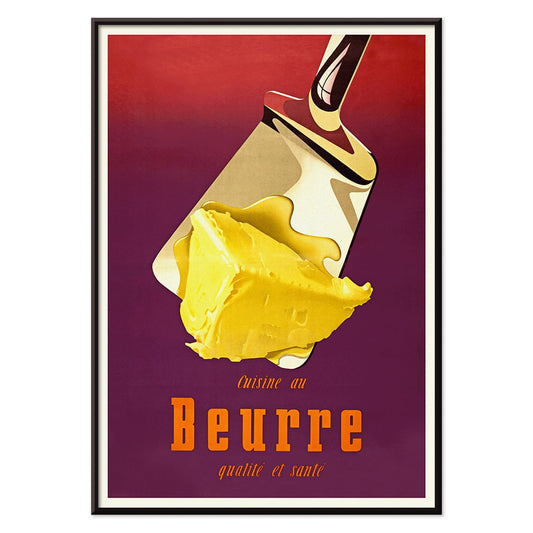
Voi Juliste
Donald Brun · 1951 · leikkisä voi juliste pehmeällä airbrushvarjostuksella rohkeilla 1950-luvun keltaisilla ja punaisilla väreillä
Juliste €9 · Kehystetty €16
-


Matisse-näyttelyjuliste
Tuntematon taiteilija · 1980 · minimalistinen näyttelyjuliste, jossa tanssiva hahmo mustalla viivalla ja voimakas punainen teksti sisustukseen
Juliste €9 · Kehystetty €16
-


Ranskan Rivieran juliste
Roger Broders · 1950 · auringonvaloinen rivieranjuliste tyylitellyillä rantavieraille, purjeveneille ja voimakkailla Art Deco muodoilla
Juliste €9 · Kehystetty €16
-


Crans-Montana Juliste
Tuntematon taiteilija · 1955 · dynaaminen alppihiihtojuliste voimakkailla väripinnoilla, terävin rintein ja nostalgisella sinisellä taivaalla
Juliste €9 · Kehystetty €16
-


Monte Carlo Juliste
Louis Icart · 1952 · elegantti Monte Carlo -juliste punaisessa uimapuvussa olevasta hahmosta ja raikkaista väreistä
Juliste €9 · Kehystetty €16
-


Tyynen värähtelyt juliste
Tuntematon taiteilija · 1970 · värikäs surffijuliste dynaamisilla figuureilla merensinisin ja lämpimin pinkin ja oranssin aksentein
Juliste €9 · Kehystetty €16
-


Continental Hawaii -lentoyhtiön juliste
Tuntematon taiteilija · 1960 · iloinen Continental Hawaii -surffijuliste leisoon pukeutunut surffaaja psykedeelinen kukkatausta värikäs
Juliste €9 · Kehystetty €16
-

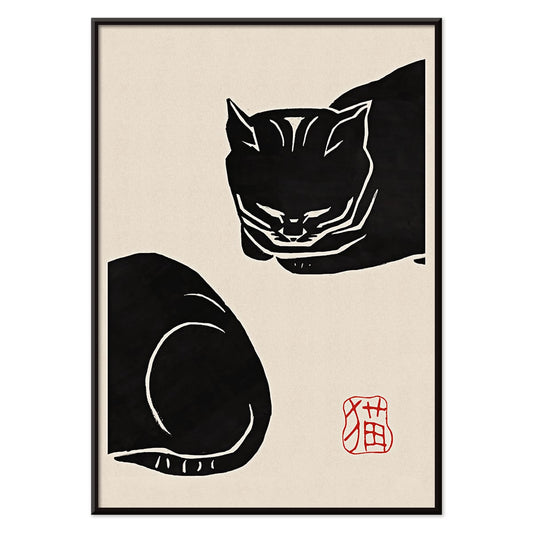
Mustakissa 4 juliste
Tuntematon taiteilija · 1750 · voimakas mustakissajuliste, rohkea siluetti ja lämmin beigetausta tuo ajattoman tunnelman ja kontrastia sisustukseen
Juliste €9 · Kehystetty €16


48/785 items
- Sipulijuliste
- Retiisijuliste
- Tanssiva pari lumessa Juliste
- Jet Clipper Havaijille Juliste
- Campari Soda Juliste
- Bec-Kina Juliste
- Mansikkavaras Juliste
- Matisse · tanssivat hahmot juliste
- Tom Krojerin näyttelyjuliste Juliste
- Berliinin katunäkymä Juliste
- Ernst Kirchner -näyttelyjuliste
- Puisto lähellä Lu juliste
- Alku Juliste
- Hämärän rengas Juliste
- Parler Seul -juliste
- Fauni ja nymfi juliste
- Unelma juliste
- Konserttijuliste
- Nainen ja lintu yössä juliste
- Bauhaus 20 Juliste
- Bauhaus 21 Juliste
- Syö enemmän hedelmiä juliste
- Snoopy tulee kotiin juliste
- Lontooseen Jet Clipperillä Juliste
- Kyushu-Okinawa-juliste
- Xerez Pedro Domecq Juliste
- Balsam Aperitif -juliste
- Voi Juliste
- Crans-Montana Juliste
- Monte Carlo Juliste
- Tyynen värähtelyt juliste
- Continental Hawaii -lentoyhtiön juliste
- Mustakissa 4 juliste
Red, the most intentional accent
In the Red collection, color operates less as a subject than as a signal: a poppy stamp, a lacquered headline, a warm blush on paper. These posters move between illustration, modernism, travel graphics, and diagrammatic prints, yet each relies on red to steer attention. Vermilion against cream, brick against graphite, or a single scarlet form in calm space can change how a room reads. As wall art, red behaves like seasoning in home decor: a small accent energizes a gallery wall, while a larger field establishes a focal point and a sense of direction in decoration.
Craft, pigment, and the art of persuasion
Red has carried technical and cultural weight across print history. Early dyes and pigments such as cochineal and madder informed textiles and the decorative arts, while lithography made bold red lettering and flat color fields central to public visual culture. William Morris’s Strawberry Thief (1883) by William Morris uses red as a structural note inside the repeat, keeping birds and fruit in rhythmic tension. In Hygieia (1907) by Gustav Klimt, the robe reads as both emblem and warning, with crimson acting like a boundary around the figure. Wassily Kandinsky’s Heavy Red (1924) by Wassily Kandinsky shows red as mass, a plane that pushes adjacent shapes into motion and makes geometry feel physical.
Where red posters live best
Red accents settle most naturally alongside honest materials: walnut, terracotta, brass, linen, and worn stone. In kitchens and dining corners, fruit studies and plant imagery echo table colors and ceramics, which makes Botanical prints an easy companion to red-led decoration. In hallways and entryways, one bold red element helps pull the eye through a narrow space; the graphic logic of Advertising works well with mirrors, coat hooks, and darker floorboards. For bedrooms, keep red smaller and warmer, leaning toward brick or rose rather than primary scarlet, and balance it with pale bedding and low, amber light. If the room opens onto greenery, red becomes a clear counterpoint; quieter scenes from Landscape help keep the palette grounded.
Pairing, framing, and building a gallery wall
To keep red from dominating, treat it as one voice within a measured palette. A white mount gives red air, while a slim black frame sharpens saturated areas and echoes the discipline of Black & White imagery. For structured pairings, place a red-led poster beside geometric work from Bauhaus, where red often appears as a controlled block rather than a flourish. For a more theatrical register, Leonetto Cappiello’s Cachou Lajaunie (1920) by Leonetto Cappiello plays like streetlight against deep wood tones and muted walls. When arranging a gallery wall, repeat red twice, once as a larger area and once as a small accent, so the eye has a clear path between prints.
A closing thought on red
Red is also a useful clue for reading images: in travel graphics it signals heat, nightlife, and appetite; in modernist composition it marks the point where wandering attention snaps into focus. That is why this selection can jump from pattern to symbolist figure to hard-edged abstraction without losing coherence. Leave breathing space around the loudest red field, and let neighboring prints carry quieter tones such as sand, ink, and sea-glass green. Used this way, red becomes rhythm rather than noise, and decoration starts to feel intentional without becoming strict.