



- Shaw or Irony Poster
- Woman Seated Back Poster
- Red Hair Blue Hat Poster
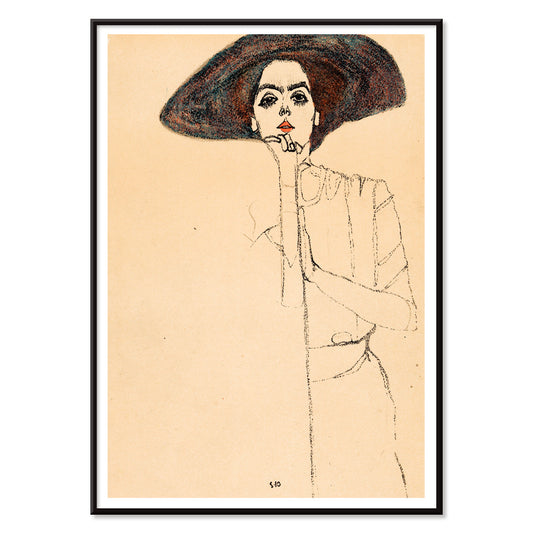
- Head of a Woman Poster
- Female in Orange-Red Dress Poster
- Standing Nude woman Poster
- Two Women Embracing Poster
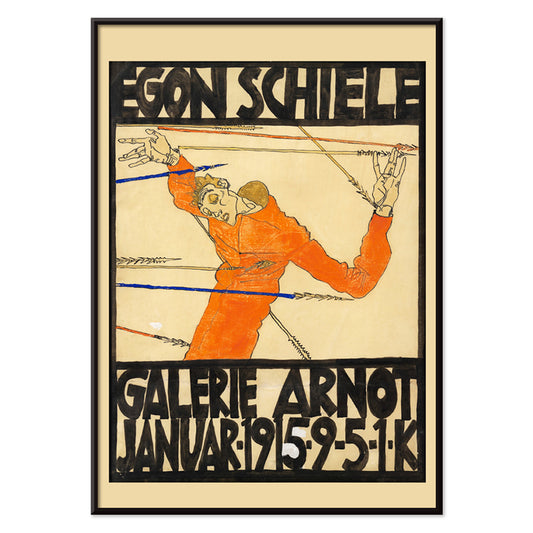
- Schiele-Ausstellung in der Galerie Arnot Poster
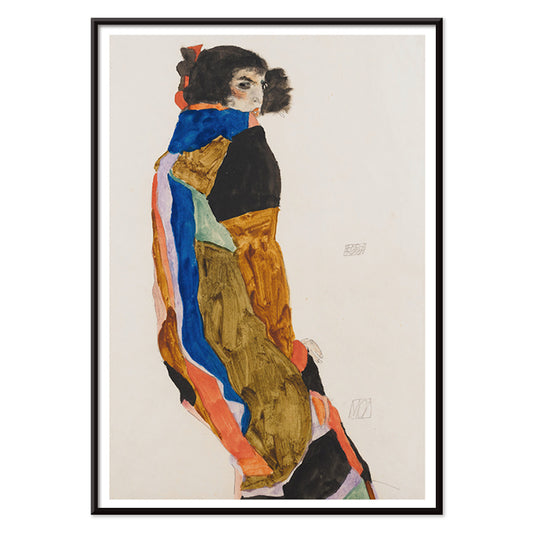
- Moa Poster
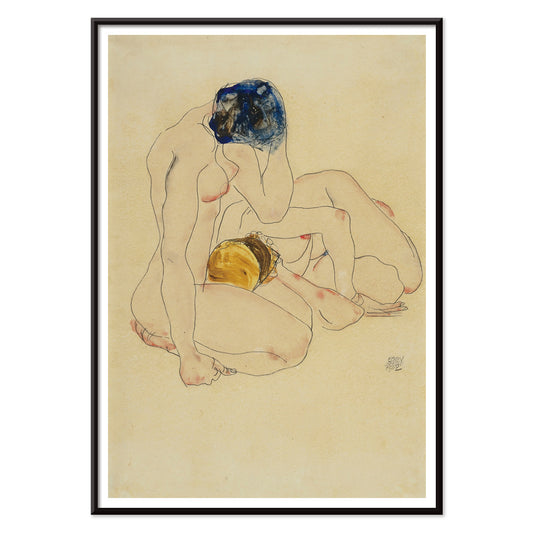
- Two Friends Poster
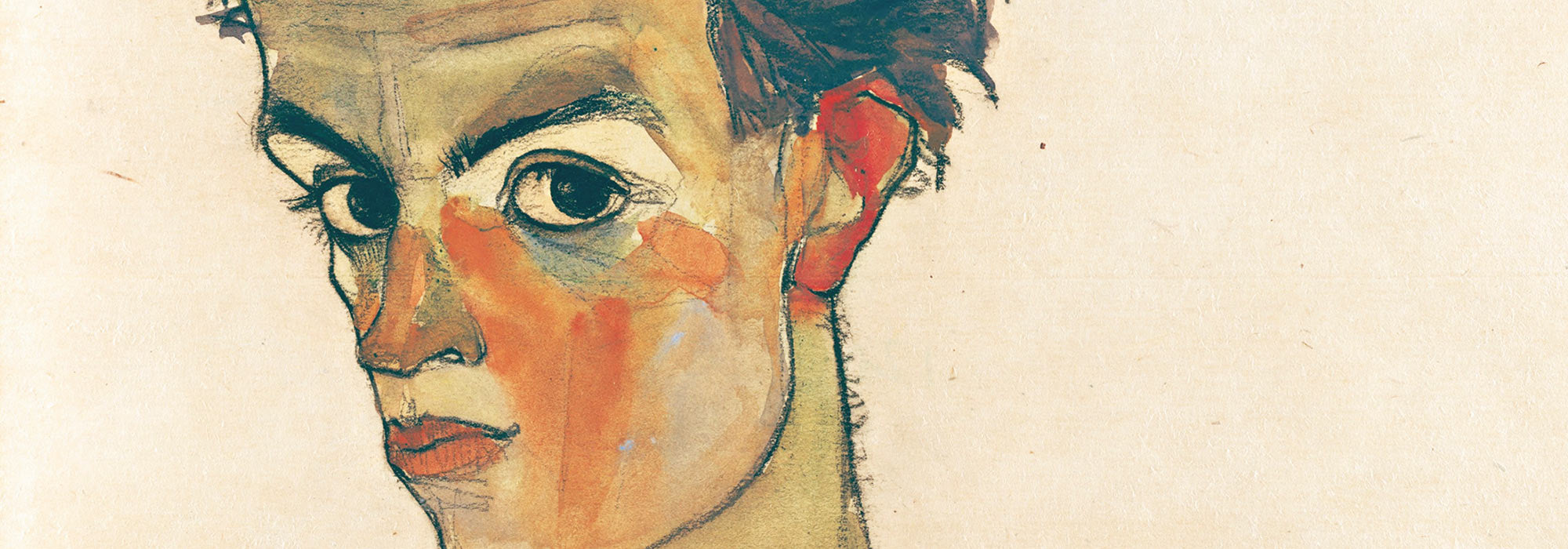
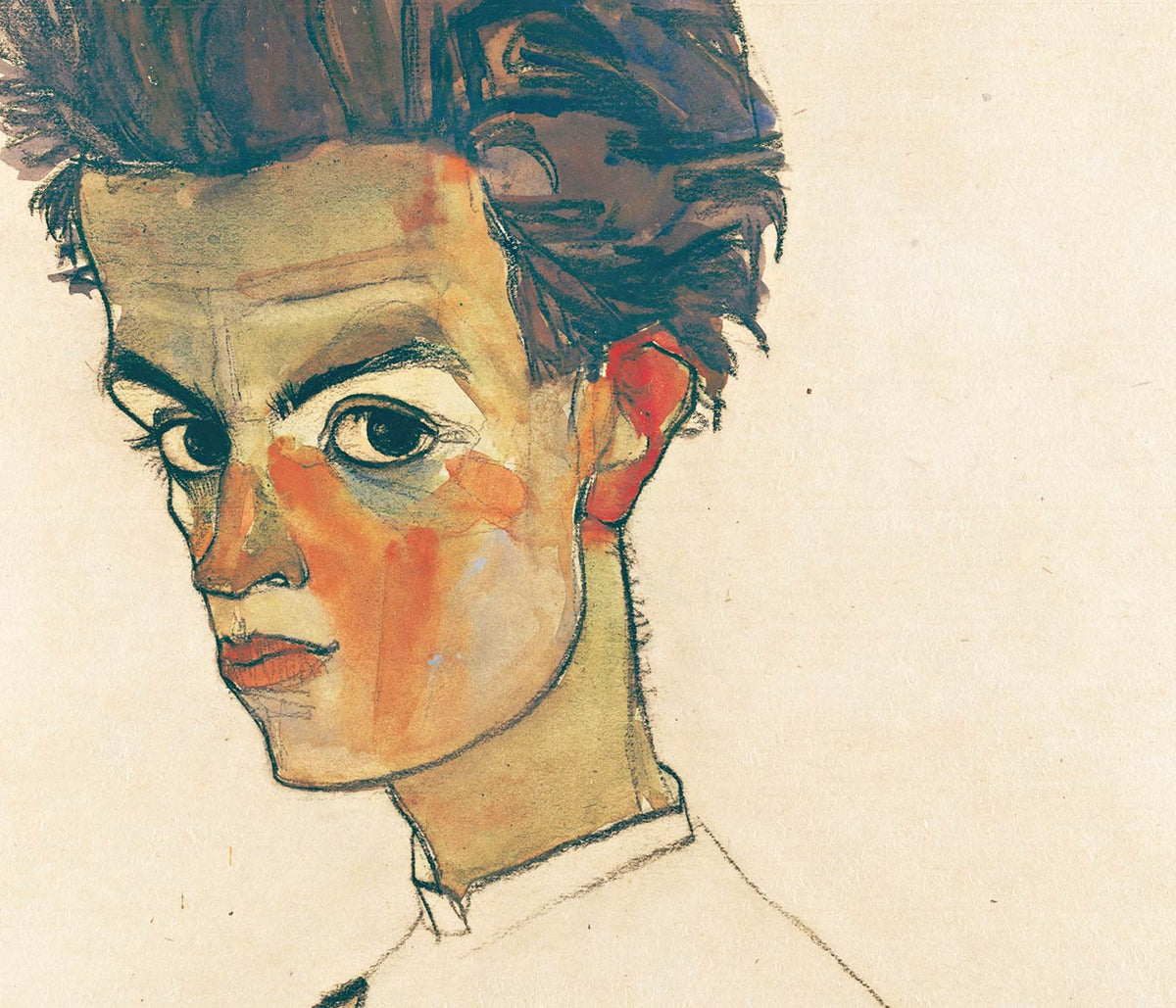
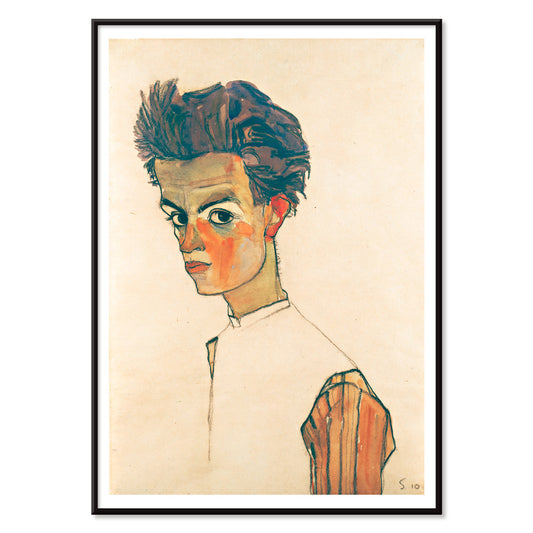
- Self-Portrait with Striped Shirt Poster
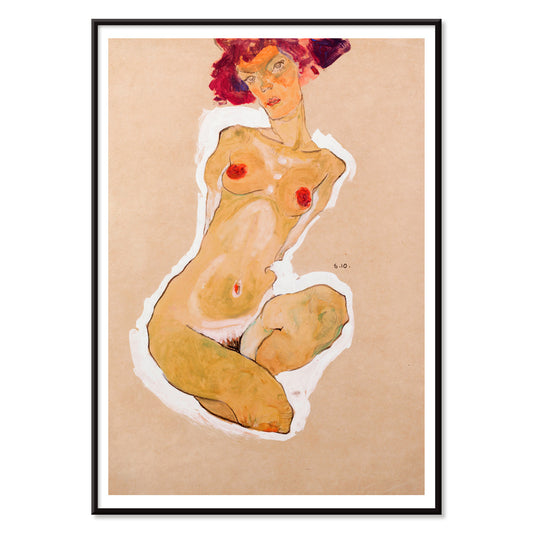
- Squatting Female Nude Poster
- Gertrude Poster
-
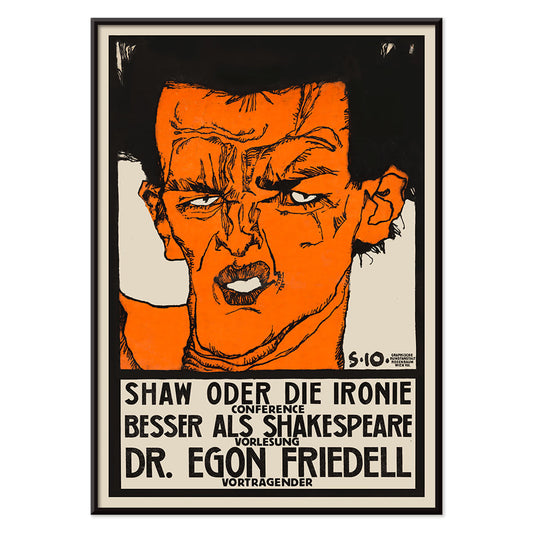
Shaw or Irony Poster
Egon Schiele · 1910 · Expressive lecture poster with angular figure, black linework, and warm orange accents
Poster from €9 · Framed from €16
Regular price From €6,00Regular price -
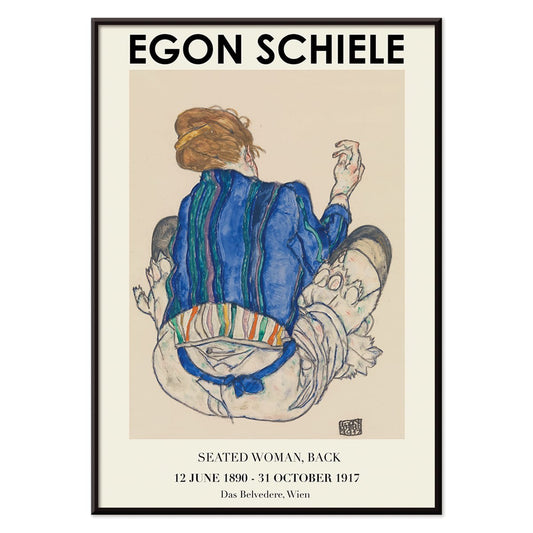
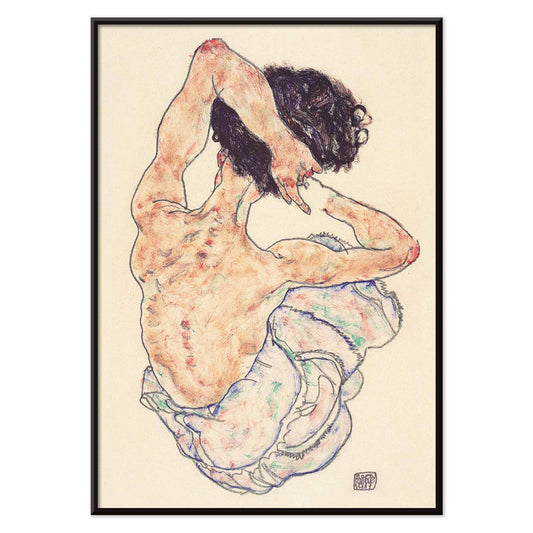
Woman Seated Back Poster
Egon Schiele · 1917 · Expressive figure art print of a seated woman from behind in earthy tones
Poster from €9 · Framed from €16
Regular price From €6,00Regular price -
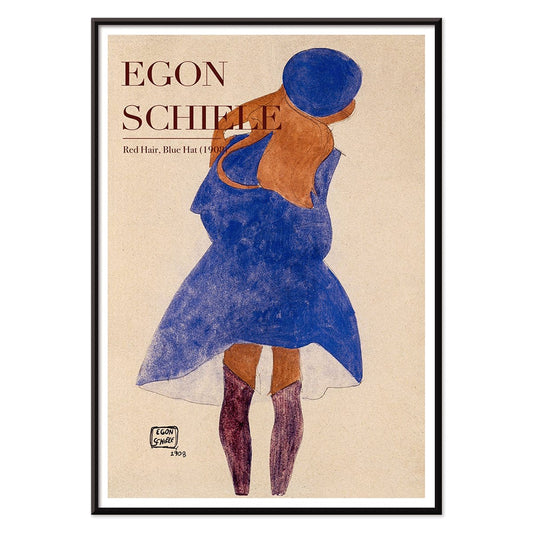
Red Hair Blue Hat Poster
Egon Schiele · 1908 · Expressive portrait art print featuring fiery hair and a cool blue hat
Poster from €9 · Framed from €16
Regular price From €6,00Regular price -
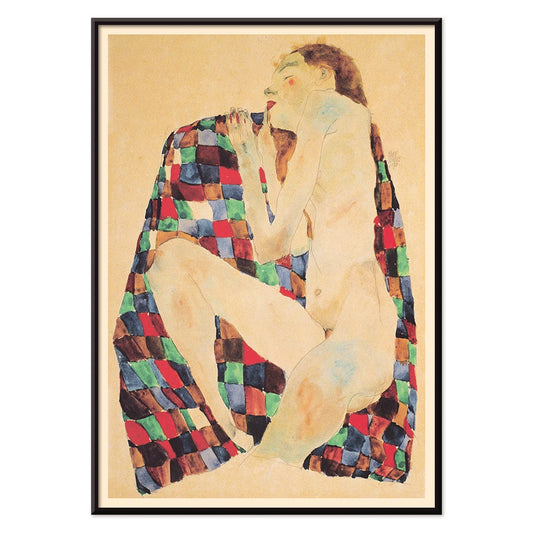
Female Nude on Checkered Cloth Poster
Egon Schiele · 1911 · Intense nude art print resting on a bold red-and-blue checkered cloth against a pale beige ground
Poster from €9 · Framed from €16
Regular price From €6,00Regular price -
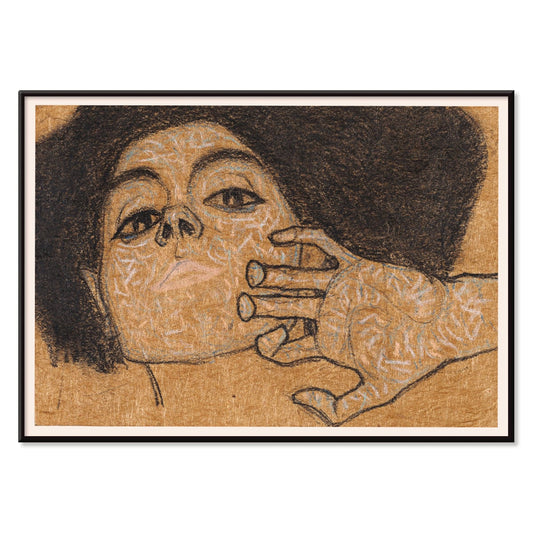
Head of a Woman Poster
Egon Schiele · 1908 · Expressive portrait art print with spare linework and warm brown washes
Poster from €9 · Framed from €16
Regular price From €6,00Regular price -
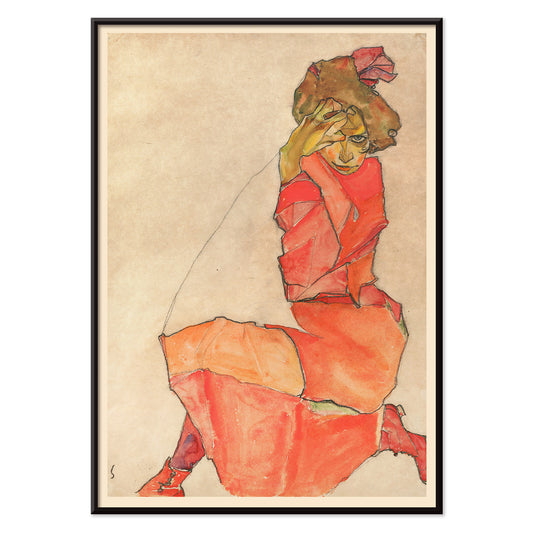
Female in Orange-Red Dress Poster
Egon Schiele · 1910 · Expressive figure art print of a kneeling woman in an orange-red dress
Poster from €9 · Framed from €16
Regular price From €6,00Regular price -
Standing Nude woman Poster
Egon Schiele · 1917 · Expressive standing nude art print with angular linework on warm beige paper
Poster from €9 · Framed from €16
Regular price From €6,00Regular price -
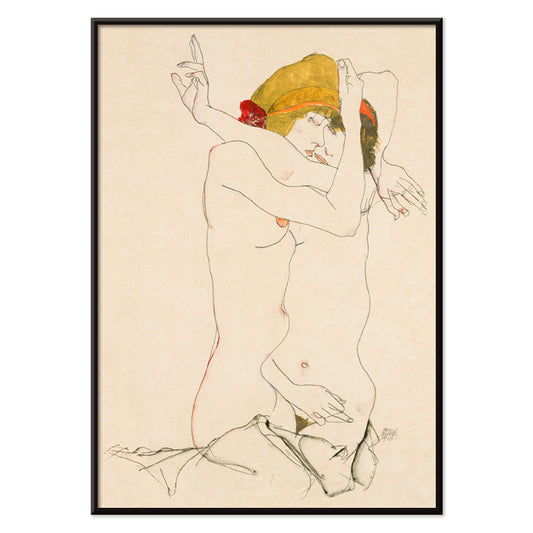
Two Women Embracing Poster
Egon Schiele · 1913 · Intimate figurative art print of two intertwined women in warm beige and red tones
Poster from €9 · Framed from €16
Regular price From €6,00Regular price -
Schiele-Ausstellung in der Galerie Arnot Poster
Egon Schiele · 1915 · Expressionist exhibition poster with angular figure and bold orange accent
Poster from €9 · Framed from €16
Regular price From €6,00Regular price -
Moa Poster
Egon Schiele · 1911 · Intimate figure art print of a woman in a patterned robe, quietly self contained
Poster from €9 · Framed from €16
Regular price From €6,00Regular price -
Two Friends Poster
Egon Schiele · 1912 · Tense, tender figurative art print of two entwined nudes on warm paper
Poster from €9 · Framed from €16
Regular price From €6,00Regular price -
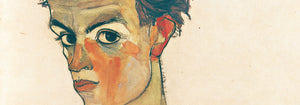
Self-Portrait with Striped Shirt Poster
Egon Schiele · 1910 · Intense self-portrait art print featuring a striped shirt and piercing gaze on warm paper
Poster from €9 · Framed from €16
Regular price From €6,00Regular price -
Frauenbildnis II Poster
Egon Schiele · 1912 · Expressive portrait art print of a poised woman in a dramatic black hat
Poster from €9 · Framed from €16
Regular price From €6,00Regular price -
Squatting Female Nude Poster
Egon Schiele · 1910 · Taut squatting nude art print with angular pose and spare, intimate negative space
Poster from €9 · Framed from €16
Regular price From €6,00Regular price -
Gertrude Poster
Egon Schiele · 1910 · Expressive nude figure art print with spare linework and warm earthy tones
Poster from €9 · Framed from €16
Regular price From €6,00Regular price -
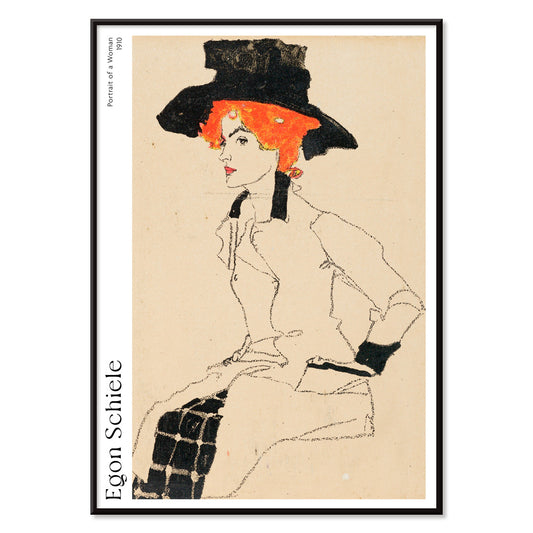
Portrait Of A Woman Poster
Egon Schiele · 1910 · Intense woman portrait poster with orange hair, black hat, and stark modern lines
Poster from €9 · Framed from €16
Regular price From €6,00Regular price -
Vulgar naked woman Poster
Egon Schiele · 1914 · Raw standing nude art print with orange drapery and wiry black contours
Poster from €9 · Framed from €16
Regular price From €6,00Regular price -
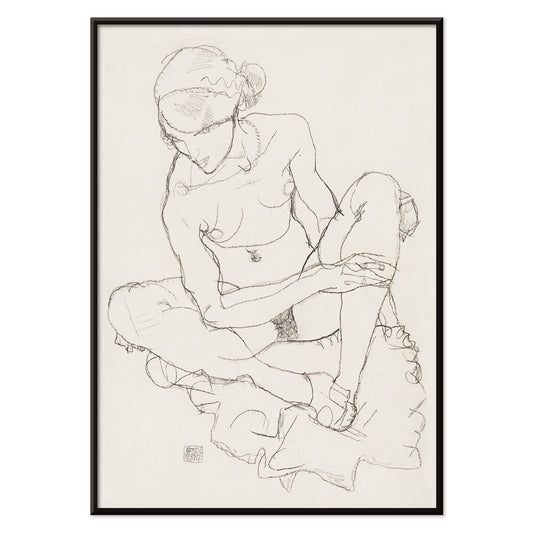
Seated nude woman Poster
Egon Schiele · 1914 · Expressive art print with delicate black linework and airy white space
Poster from €9 · Framed from €16
Regular price From €6,00Regular price -
Seated nude back view Poster
Egon Schiele · 1917 · A vintage poster art print of a seated nude in expressive contour lines
Poster from €9 · Framed from €16
Regular price From €6,00Regular price -
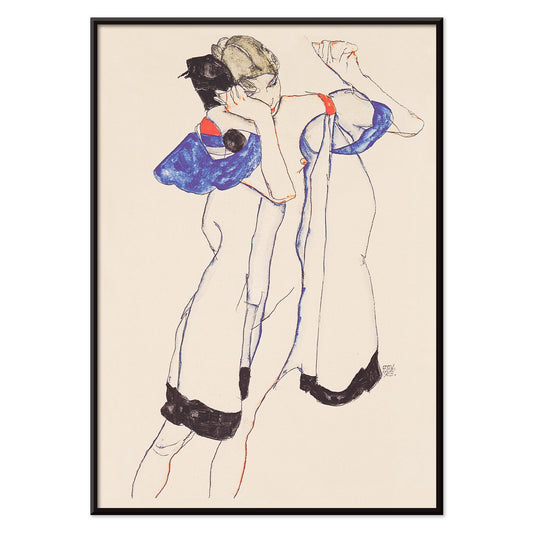
Woman in a morning robe Poster
Egon Schiele · 1913 · Expressive art print of a robed figure in blue, black, and beige
Poster from €9 · Framed from €16
Regular price From €6,00Regular price




















- Shaw or Irony Poster
- Woman Seated Back Poster
- Red Hair Blue Hat Poster
- Head of a Woman Poster
- Female in Orange-Red Dress Poster
- Standing Nude woman Poster
- Two Women Embracing Poster
- Schiele-Ausstellung in der Galerie Arnot Poster
- Moa Poster
- Two Friends Poster
- Self-Portrait with Striped Shirt Poster
- Squatting Female Nude Poster
- Gertrude Poster
Viennas nervous line
Schieles drawings arrive like overheard confessionals: raw contour, abrupt color, and empty paper that feels louder than paint. Made in Vienna just before the First World War, these works distill Expressionism into a poster-ready language of gesture. As wall art, they hold desire, fatigue, and self-scrutiny without scenery to soften it, a vintage print sensibility born from sketchbooks and exhibition walls.
Figures as architecture
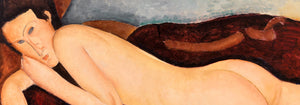
Look closely at Egon Schieles Self-Portrait with Striped Shirt (1910): the gaze is direct, but the body angles away, built from wiry strokes and bruised greens. Schiele uses negative space as a stage, letting a single orange accent ignite the skin. In Two Women Embracing (1913), closeness becomes choreography, tender and compressed at once. Even when the subject is erotic, the technique stays analytical, closer to anatomy than glamour. The graphic dimension becomes explicit in Schiele-Ausstellung in der Galerie Arnot (1915), where drawing and design share one restless surface.
Where these prints live well
Because many sheets are spare, they adapt easily to home decor. In a narrow hall, a vertical poster amplifies height; pair with Vertical Posters for a stretched rhythm. To echo the ink line, draw from Black & White and keep the palette quiet. These art prints sit well with oak, linen, and matte plaster; a terracotta textile can answer his reds without turning the room theatrical. If your space already leans crisp, connect his angles to Minimalist structure and let the background stay restrained.
Pairing, pacing, and frames
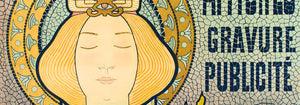
For a small grouping, alternate a face, a full figure, and an exhibition sheet so the eye moves between intimacy and public announcement. Kneeling Female in Orange-Red Dress (1910) brings a flare of heat; place it beside Head of a Woman (1908) to keep the wall from tipping into one register. Thin black frames underline the draughtsmanship; pale wood frames soften the bodies into drawing rather than provocation, especially when mixing with Classic Art. For a harder graphic conversation, set Schiele near typographic lithography from Advertising, where line and lettering argue on equal terms.
Why Schiele still unsettles
Schieles gift is his refusal of polite distance. Each poster keeps evidence of looking: the line that hesitates, the wash that stains, the pose that does not settle. On a gallery wall, that nervous energy reads as clarity, and within Famous Artists it stands out for its unsparing candor as decoration.