
 "Beautiful prints, fast shipping !"
 "Amazing vintage poster selection"
 "A hidden gem for art lovers"
"Beautiful prints, fast shipping !"
"Amazing vintage poster selection"
"A hidden gem for art lovers"
"Beautiful prints, fast shipping !"
"Amazing vintage poster selection"
"A hidden gem for art lovers"
"Beautiful prints, fast shipping !"
"Amazing vintage poster selection"
"A hidden gem for art lovers"
"A hidden gem for art lovers"
"Beautiful prints, fast shipping !"
"Amazing vintage poster selection"
"A hidden gem for art lovers"
"Beautiful prints, fast shipping !"
"Amazing vintage poster selection"
"A hidden gem for art lovers"
"Beautiful prints, fast shipping !"
"Amazing vintage poster selection"
"A hidden gem for art lovers"





-


Early Autumn in Urayasu Poster
Kawase Hasui · 1931 · Serene waterfront poster with dusky sky, quiet village silhouettes, and still reflections
Poster from €9 · Framed from €16
-


Ukiyo e Harbour Sunset Poster
Kawase Hasui · 1935 · Serene harbour sunset art print with dark silhouettes and glowing sky over calm water
Poster from €9 · Framed from €16
-

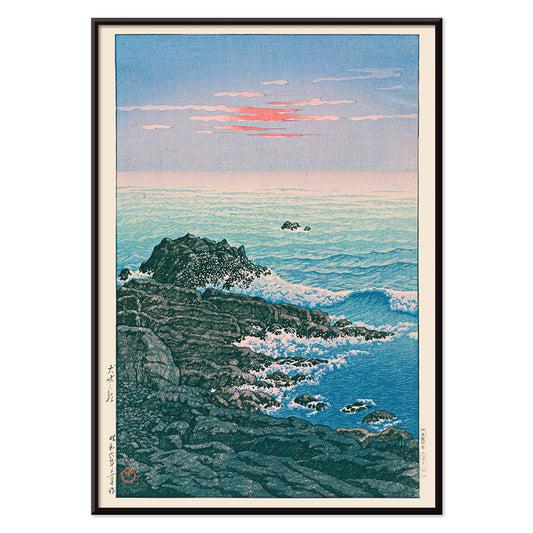
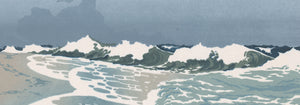
Morning at Cape Inubō Poster
Kawase Hasui · 1931 · Serene ocean poster with dawn sky, foaming waves, and a distant lighthouse
Poster from €9 · Framed from €16
-

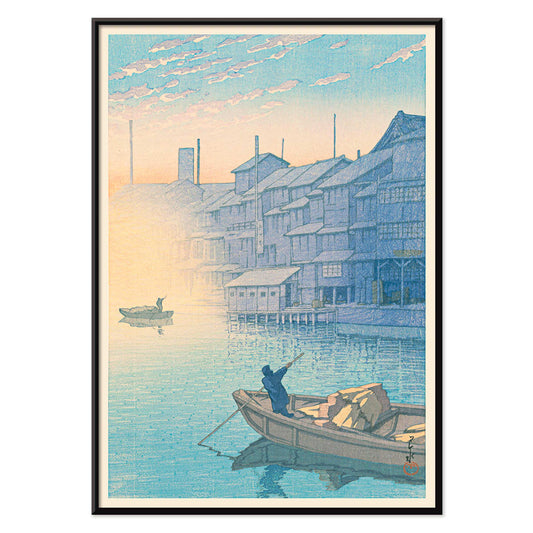
Morning at Dotonbori Poster
Kawase Hasui · 1935 · Tranquil riverside morning art print with soft reflections and quiet boats
Poster from €9 · Framed from €16
-

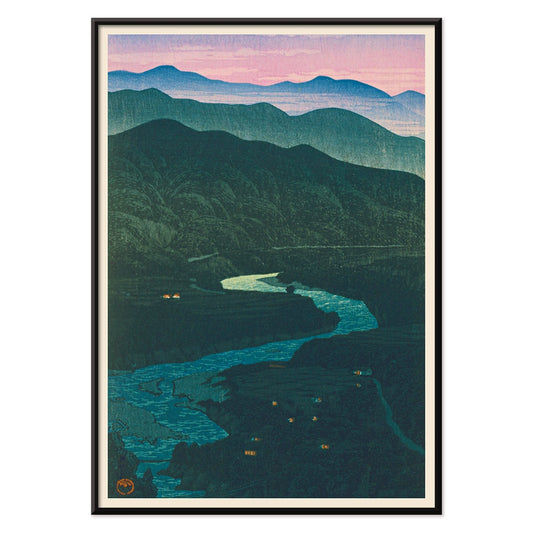
Ecchu Umidani Pass Poster
Kawase Hasui · 1923 · Serene mountain-pass art print with layered blue ridges and a winding path
Poster from €9 · Framed from €16
-

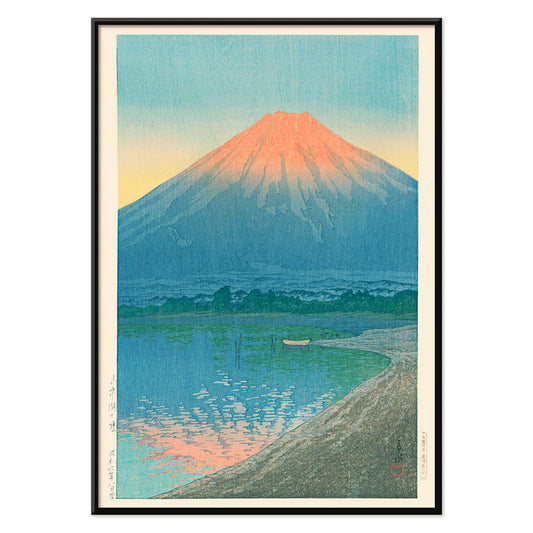
Daybreak over Lake Yamanaka Poster
Kawase Hasui · 1931 · Serene Mount Fuji sunrise print with still lake reflections in cool blues
Poster from €9 · Framed from €16
-

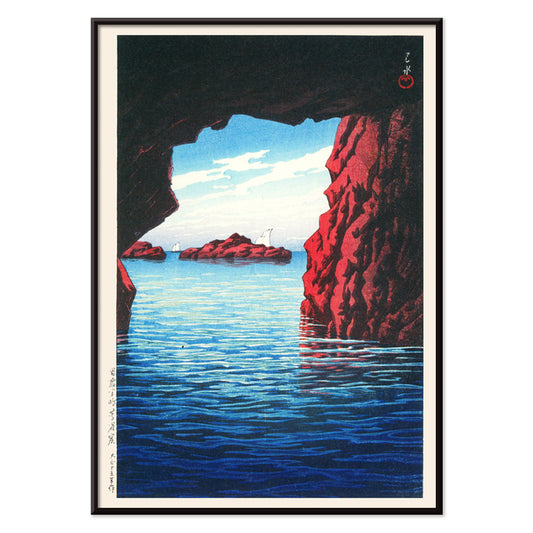
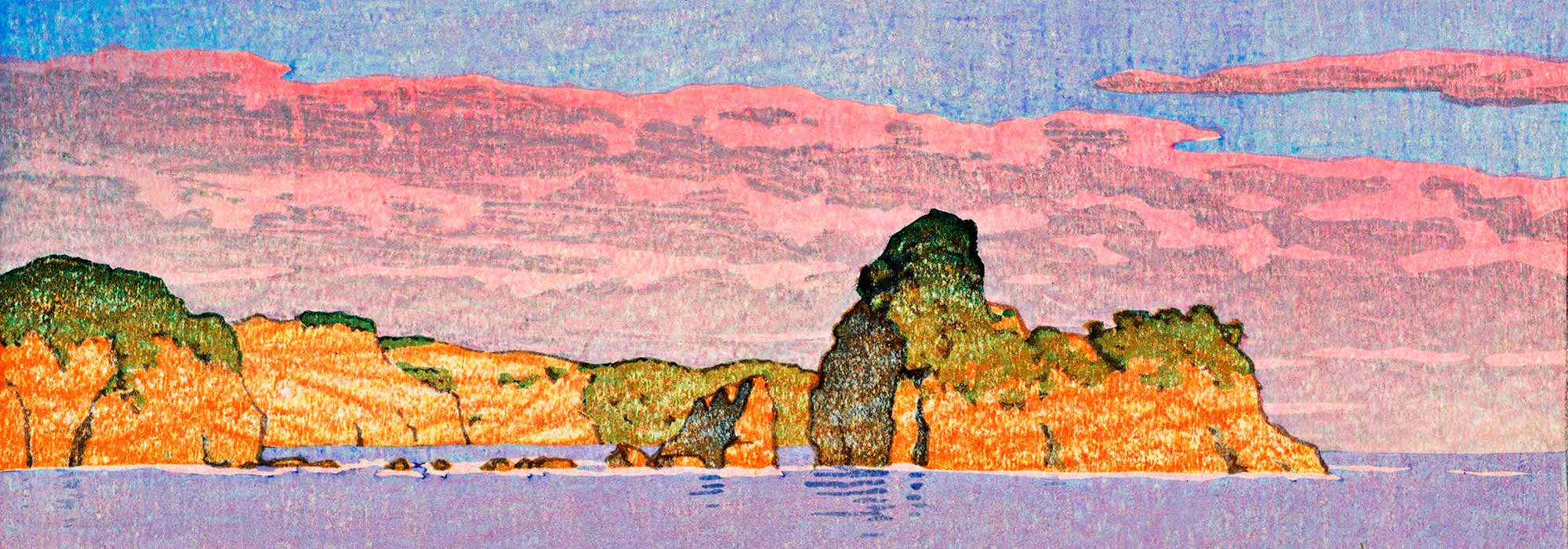
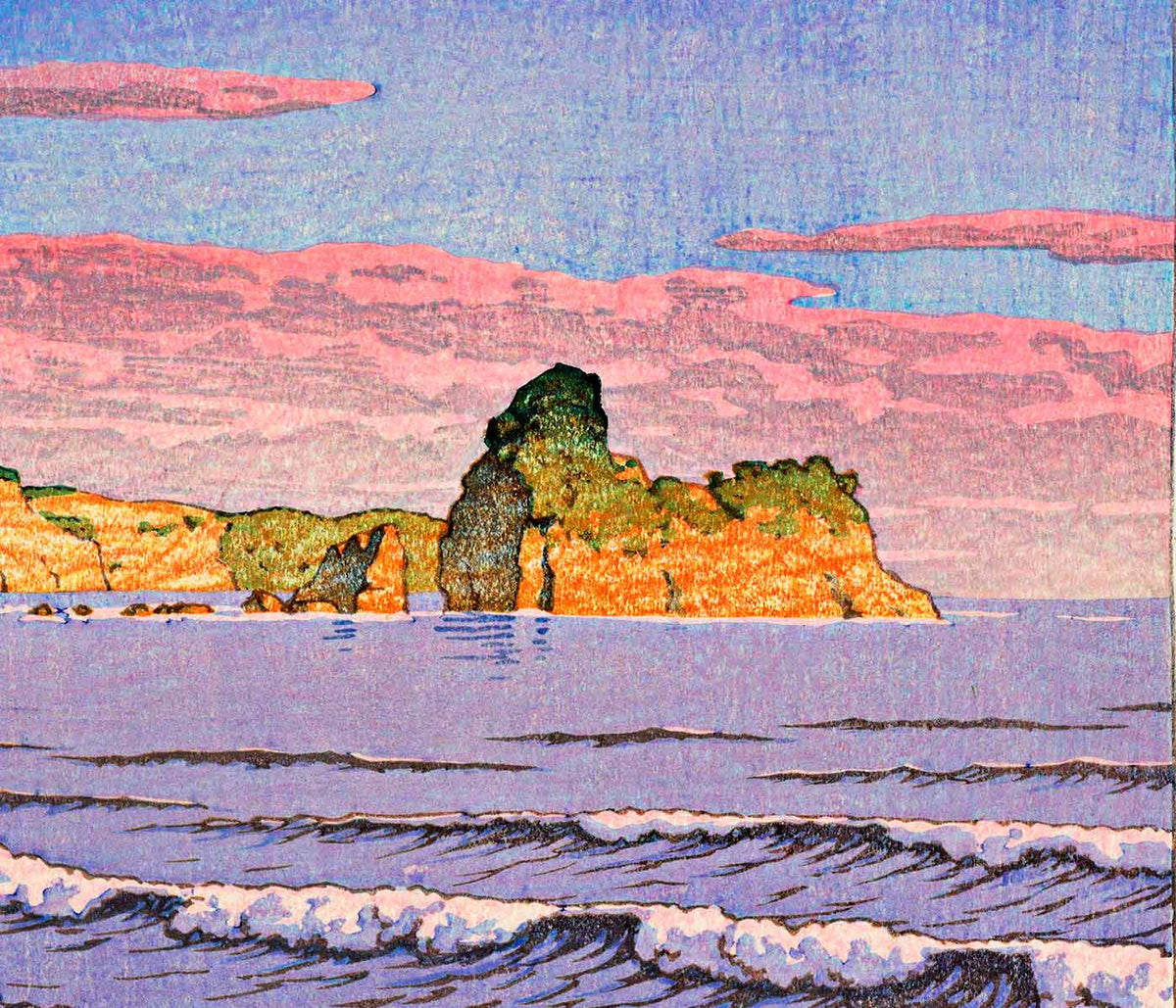
Souvenirs of My Travels Poster
Kawase Hasui · 1940 · Serene coastal poster showing a cavern in dark cliffs above bright surf
Poster from €9 · Framed from €16
-

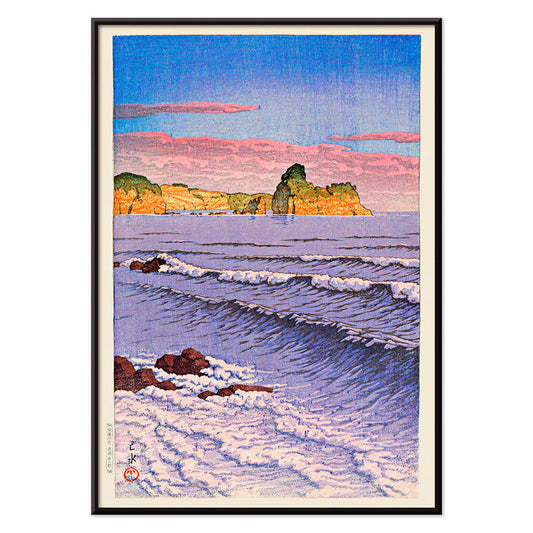
Morning Sea at Bikuni in Shiribeshi Poster
Kawase Hasui · 1933 · Serene shin hanga art print of fishing boats on calm blue water under a misty horizon
Poster from €9 · Framed from €16
-

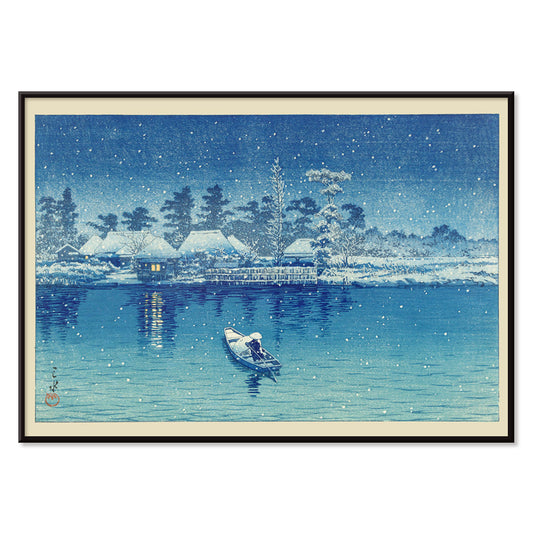
Ushibori Poster
Kawase Hasui · 1930 · Serene snowy riverside print in cool blues with still water and distant roofs
Poster from €9 · Framed from €16
-

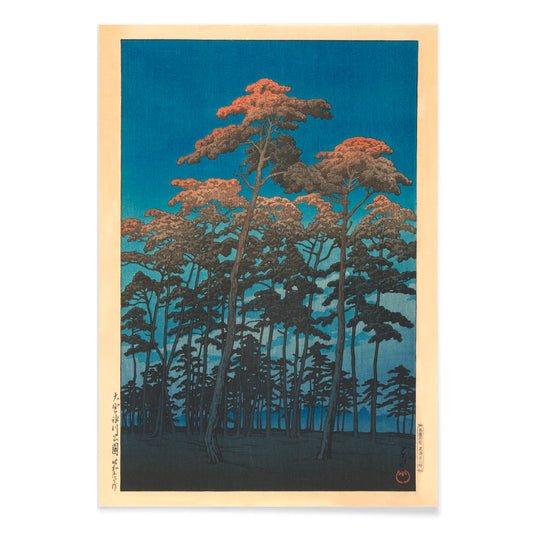
Hikawa Park Poster
Kawase Hasui · 1930 · Tranquil landscape poster with tall pines silhouetted against blue dusk and warm sunset glow
Poster from €9 · Framed from €16
-

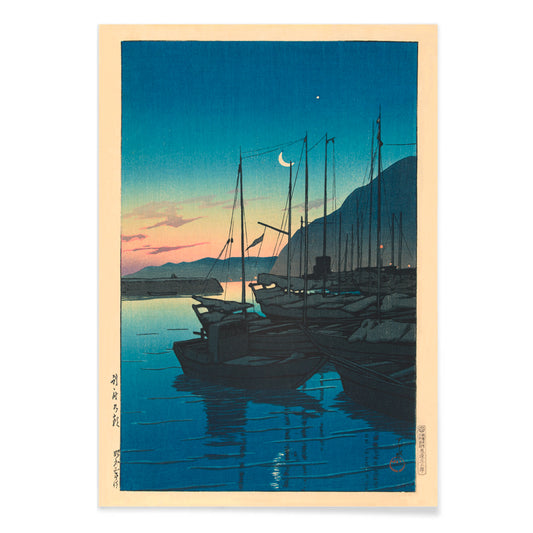
Morning in Beppu Poster
Kawase Hasui · 1937 · Quiet harbor at sunrise art print with boats, mist, and luminous reflections
Poster from €9 · Framed from €16


Shin-hanga weather, modern roads
Shin-hanga emerged in early twentieth-century Japan as a renewal of ukiyo-e craft for a new era of travel, urban lighting, and printed circulation. Kawase Hasui stands at its quiet center, turning rain, mist, and snowfall into narrative. His scenes hold the feel of movement through place: a harbor at dawn, a street after dark, a mountain pass where the air seems to change. As vintage poster imagery, these views function less as spectacle and more as atmosphere, offering wall art that carries time of day and the weight of weather. For neighboring moods, the wider Oriental collection extends the same conversation between tradition and modern life.
Carving, bokashi, and the Hasui signature
Hasui worked within the collaborative woodblock system, where designer, carver, printer, and publisher each shaped the final print. The technique is easy to underestimate until you watch what it does to light: bokashi gradation creates a soft falloff in sky and water that reads like dusk settling. In Early Autumn in Urayasu (1931), a simplified riverbank and a small figure establish scale, while the sky’s fade turns distance into emotion. Morning at Cape Inubo (1931) sets the horizon low so the sea can breathe; the carved edges of foam suggest wind without over-describing it. If you want to place Hasui within a broader canon of celebrated names, Famous Artists provides useful context for how graphic print culture shaped modern taste.
Interior placement and palette decisions
These posters suit rooms that benefit from calm structure: entryways, reading corners, and bedrooms where you want visual quiet without blankness. Blue-leaning scenes sit naturally with linen, oak, and pale stone; deeper night images can ground darker paint or walnut. For a coastal thread, pair Hasui with Sea & Ocean and the tonal range in Blue. In more restrained schemes, a single print can soften hard edges in Minimalist interiors, especially when the surrounding materials already carry texture. Keep lighting indirect to preserve the print’s soft transitions and let the margin act as part of the decoration.
Curating pairs, rhythm, and frames
When building a gallery wall, vary season and viewpoint rather than stacking similar horizons. Daybreak over Lake Yamanaka (1931) brings a gentle warmth that can answer cooler works, while Ushibori (1930) uses white space and a single boat to create tempo. To sharpen a composition in a mixed hang, introduce one graphic companion from Black & White. For framing, thin ash or matte black profiles keep edges crisp, and a wider mount gives the gradients room; the practical options in Frames help you keep the focus on light rather than hardware.
Why these prints stay quiet but present
Hasui’s images are built from restraint: a streetlamp, a ripple, a band of cloud. That economy is why the work reads well as wall art in contemporary homes, where decoration often competes with screens and bright surfaces. The best approach is to give the print air, let its weather set the room’s pace, and allow its silence to do the talking.