










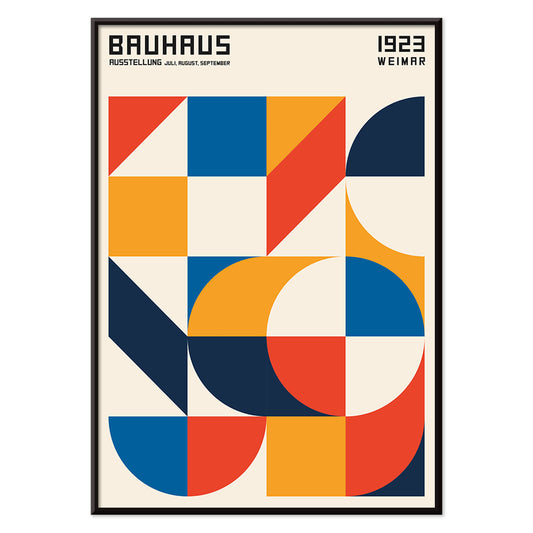
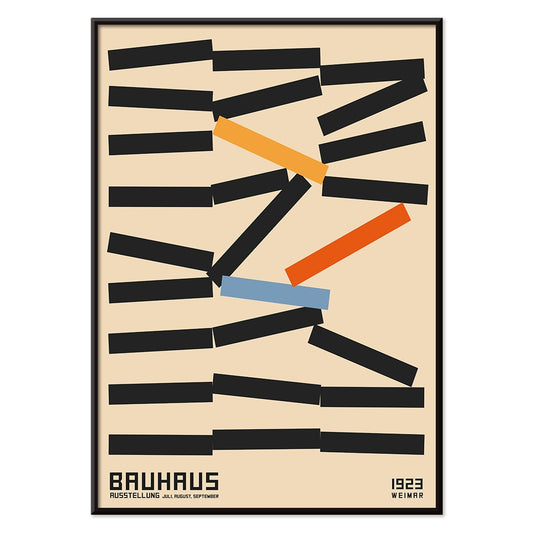
- Bauhaus 21 Poster
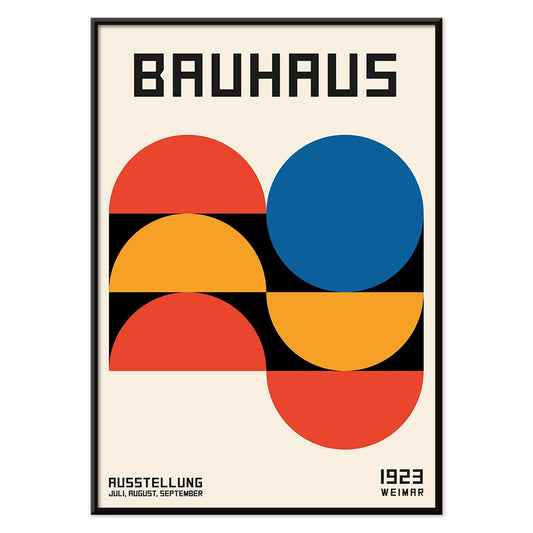
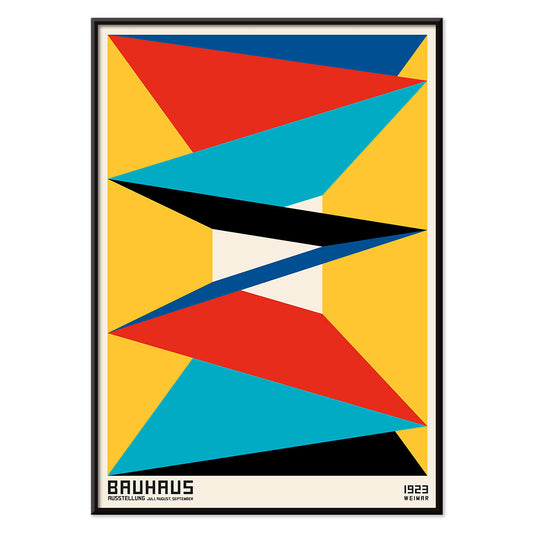
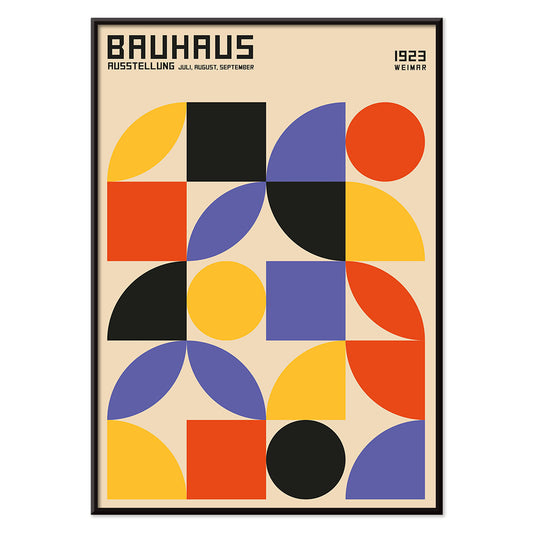
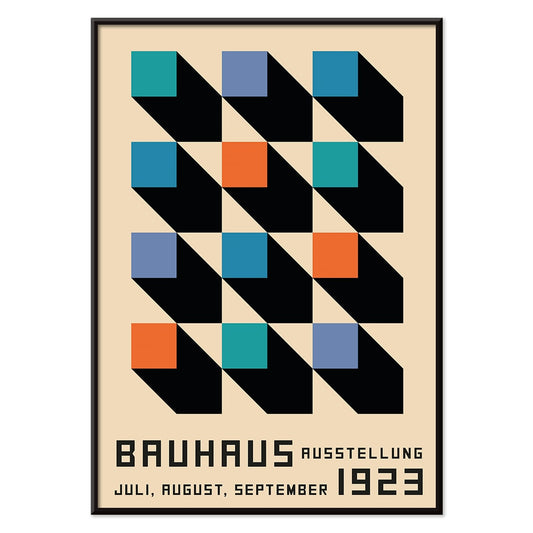
- Bauhaus Ausstellung Poster
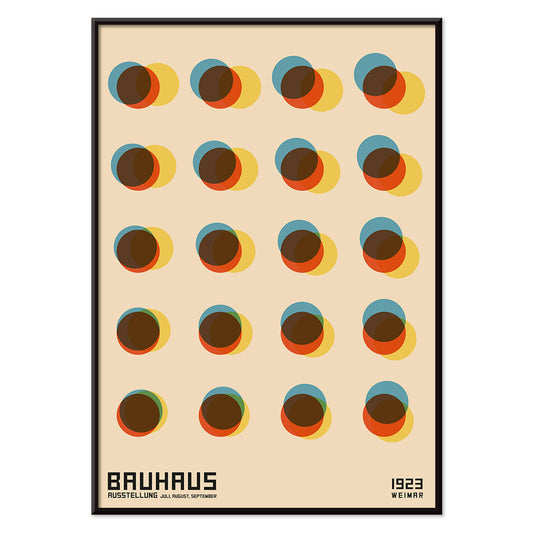
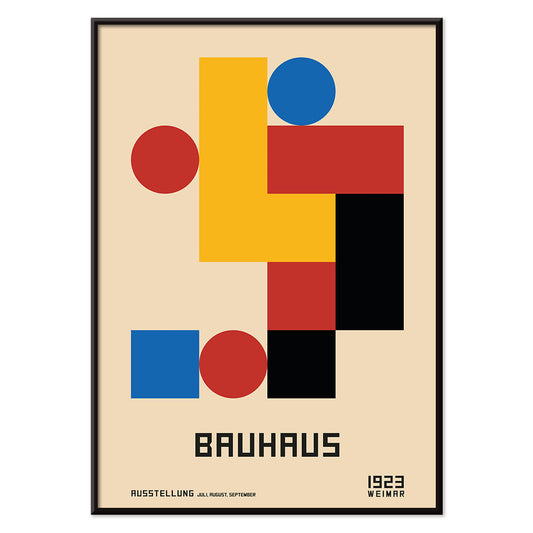
- Bauhaus Poster 19 Poster
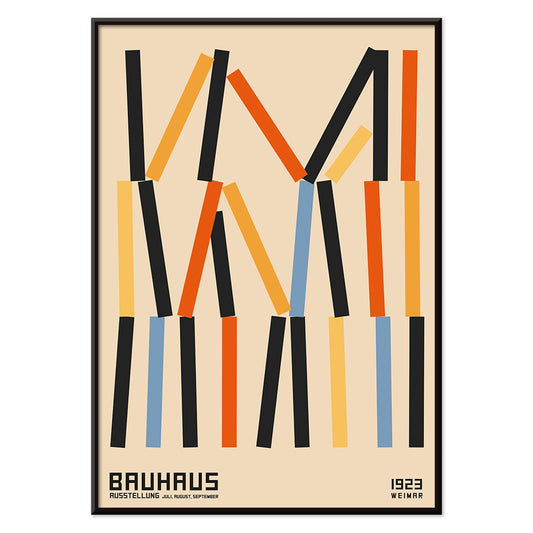
- Bauhaus Poster 18 Poster
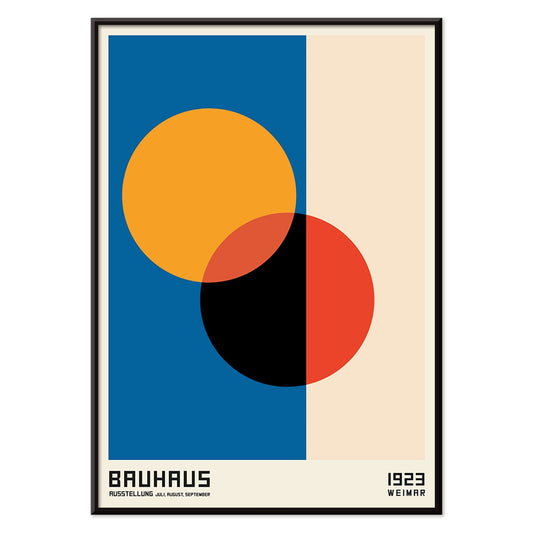
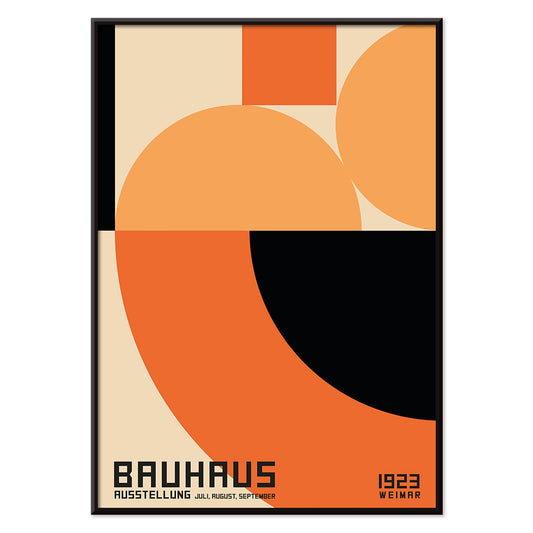
- Bauhaus Poster 17 Poster
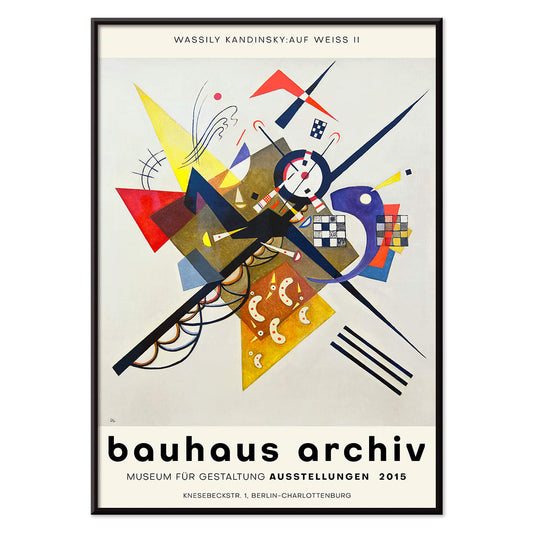
- Auf Weiss II Poster
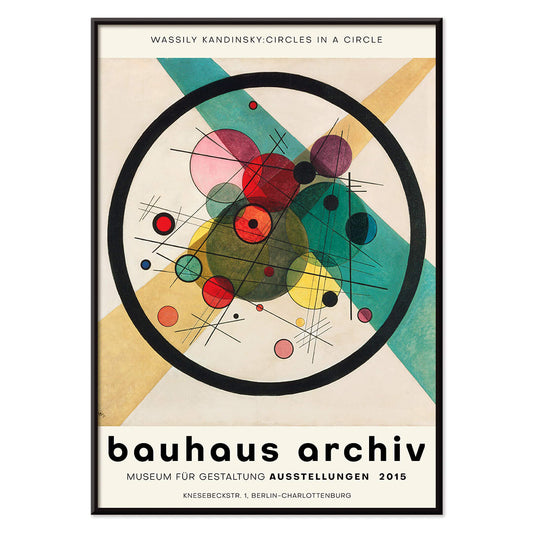
- Circles in a circle Poster
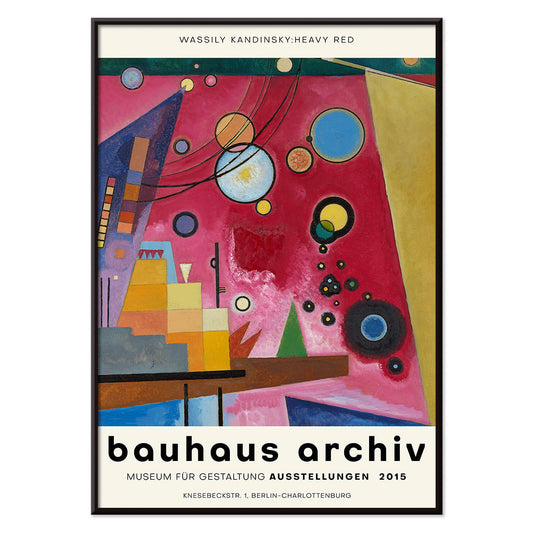
- Heavy Red Poster
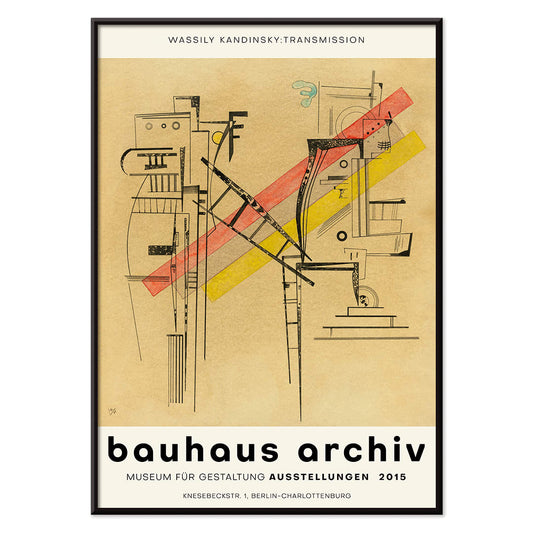
- Transmission Poster
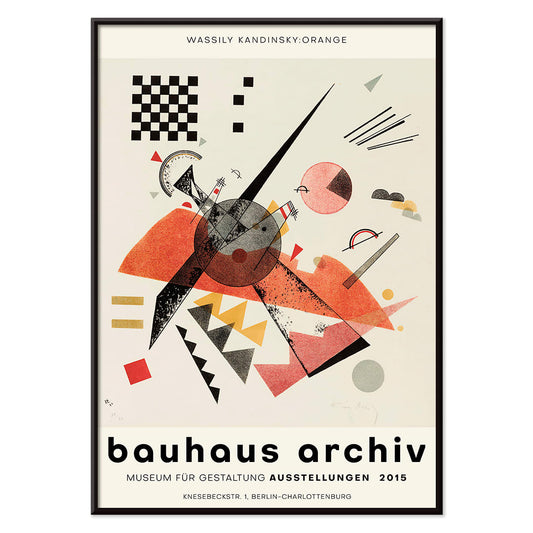
- Orange Poster
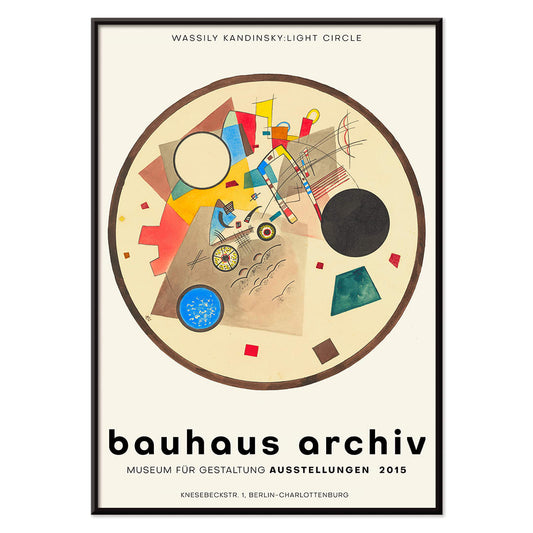
- Light Circle Poster
- Bauhaus poster 16 Poster
- Bauhaus poster 15 Poster
- Bauhaus Poster 14 Poster
- Bauhaus Poster 13 Poster
- Bauhaus Poster 12 Poster
- Bauhaus Poster 11 Poster
- Bauhaus Poster 10 Poster
- Bauhaus Poster 9 Poster
- Bauhaus Poster 7 Poster
- Bauhaus Poster 6 Poster
- Bauhaus Poster 4 Poster
- Bauhaus Poster 5 Poster
- Bauhaus Poster 2 Poster
- Bauhaus Poster 1 Poster
- Bauhaus Poster 3 Poster
- Fröhlicher Aufstieg Poster
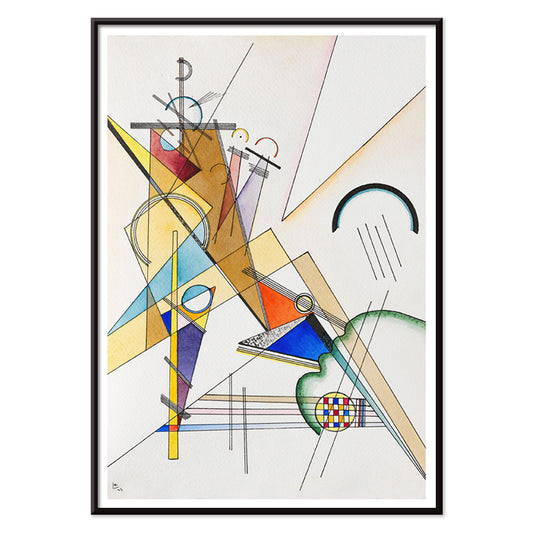
- Gewebe Poster
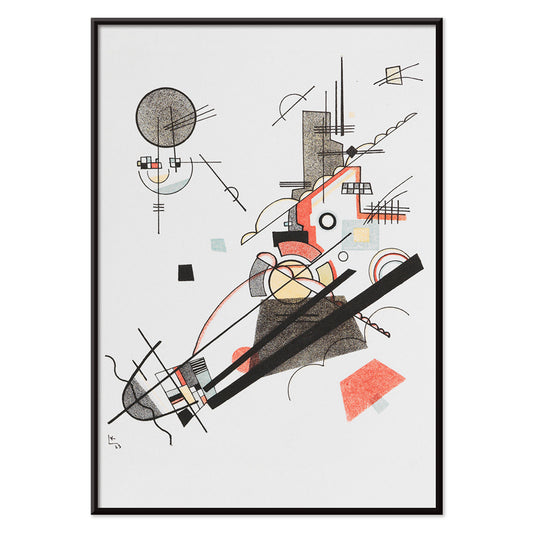
- Kleine Welten IV Poster
- Violet Poster
- Four Parts Poster
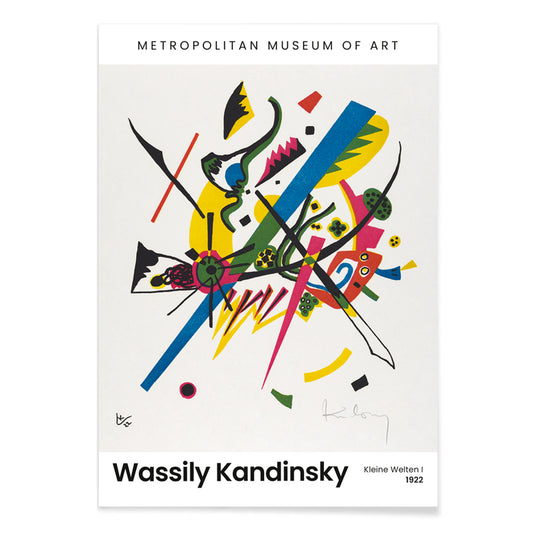
- Kleine Welten I Poster
-
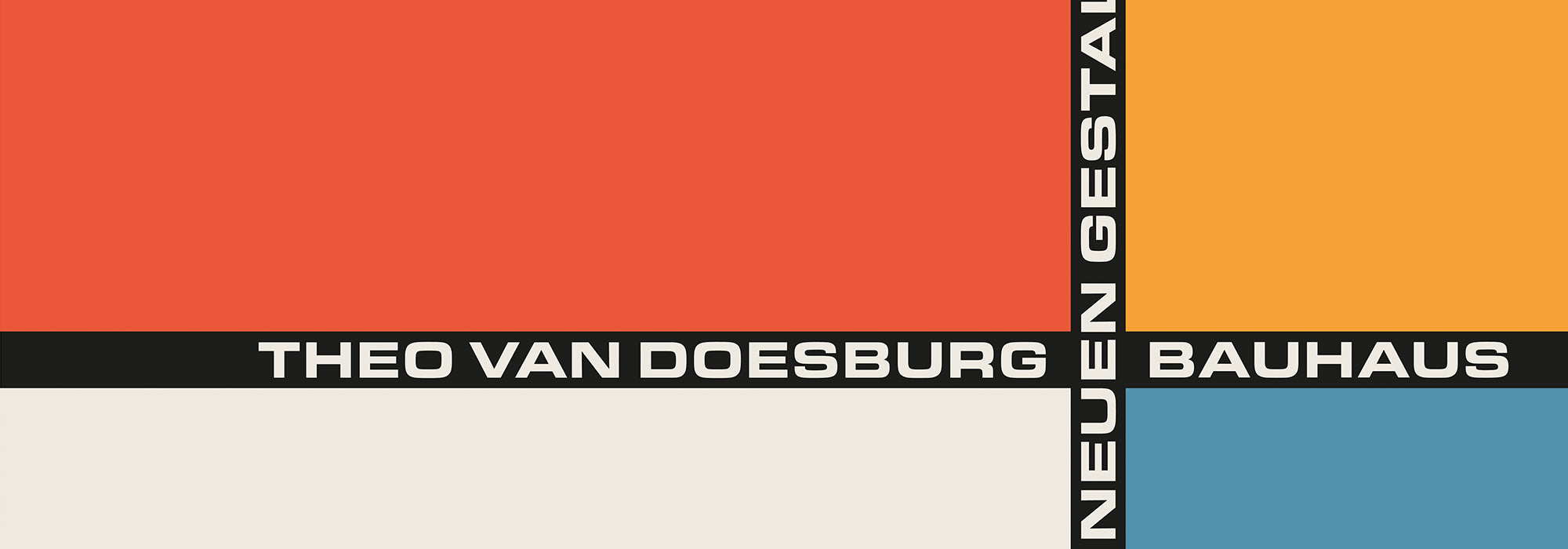
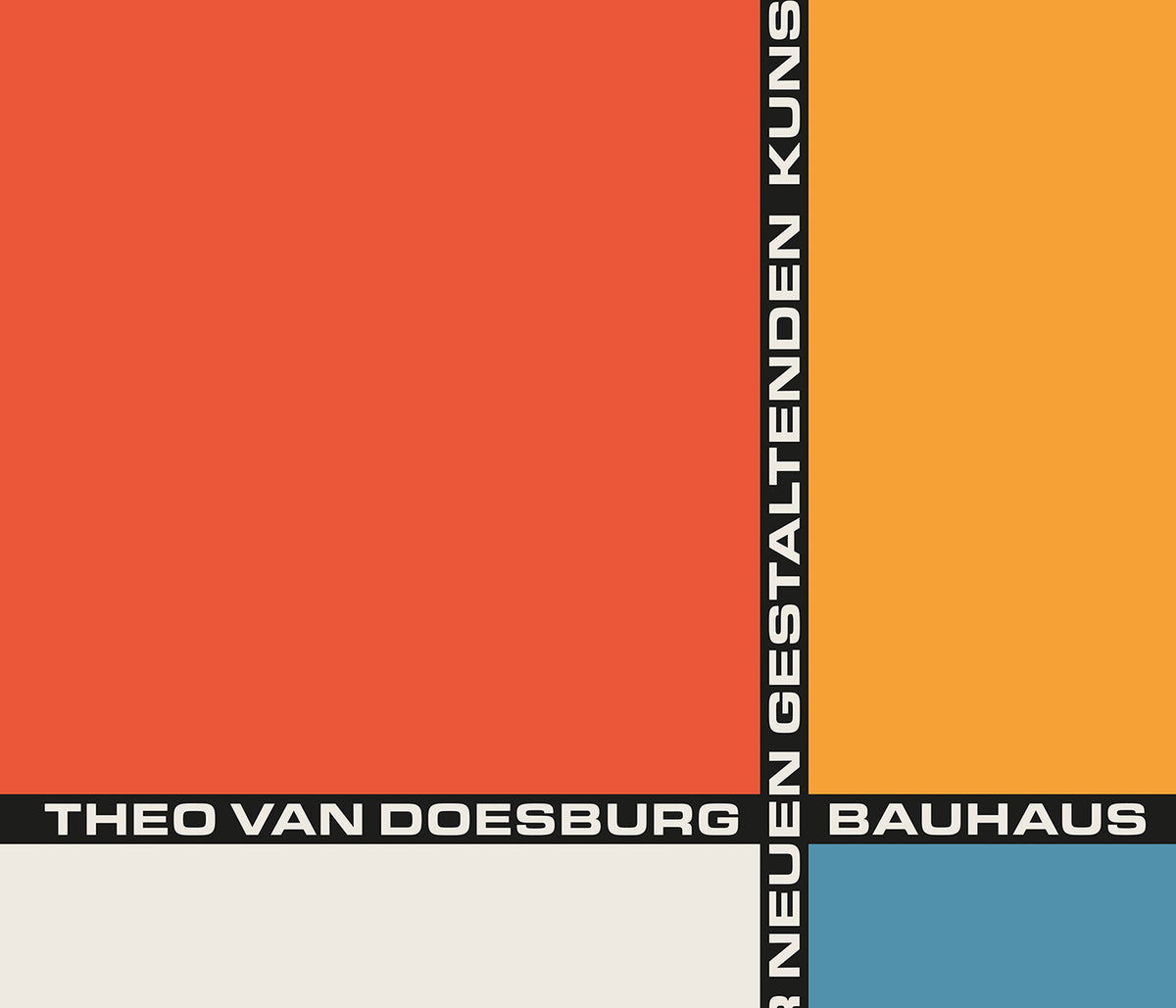
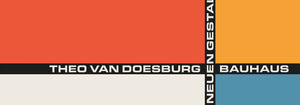
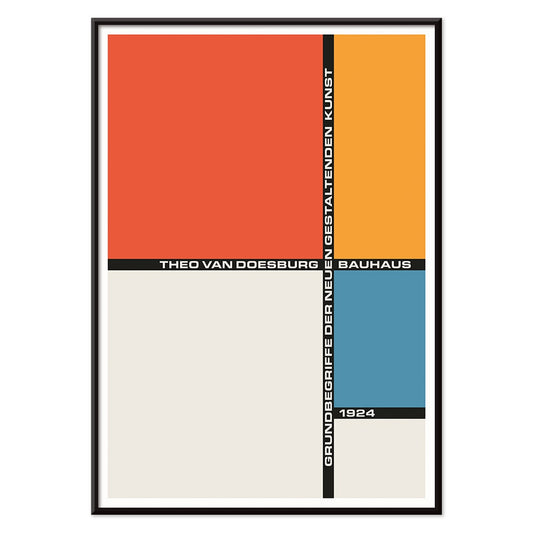
Bauhaus 21 Poster
Unknown artist · 1924 · Geometric Bauhaus poster with orange circle, blue block, and crisp black lines
Poster from €9 · Framed from €16
Regular price From €6,00Regular price -
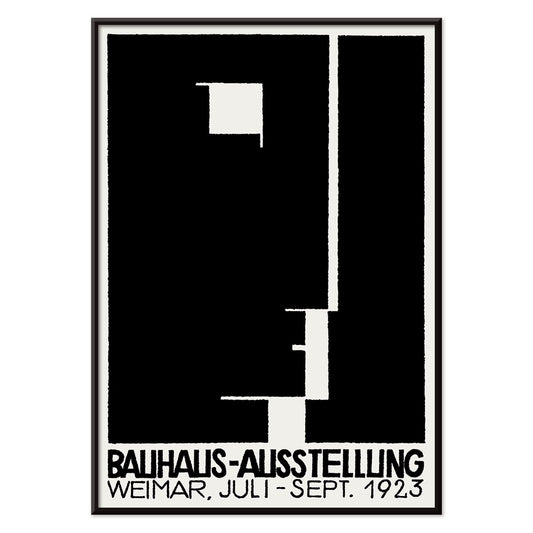
Bauhaus Ausstellung Poster
Unknown artist · 1923 · Bauhaus exhibition poster featuring bold black and white geometry and clean sans serif type
Poster from €9 · Framed from €16
Regular price From €6,00Regular price -
Bauhaus Poster 19 Poster
MORYARTY · 1923 · Geometric Bauhaus poster featuring balanced circles and squares in vivid primary colors
Poster from €9 · Framed from €16
Regular price From €6,00Regular price -
Bauhaus Poster 18 Poster
MORYARTY · 1926 · Geometric circles and bars poster in primary colors for crisp modernist walls
Poster from €9 · Framed from €16
Regular price From €6,00Regular price -
Bauhaus Poster 17 Poster
MORYARTY · Geometric Bauhaus poster featuring intersecting circles and primary color accents on warm beige
Poster from €9 · Framed from €16
Regular price From €6,00Regular price -
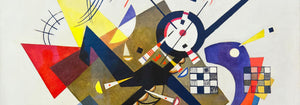
Auf Weiss II Poster
Wassily Kandinsky · 1923 · Dynamic geometric abstract poster on white with primary colors and crisp black lines
Poster from €9 · Framed from €16
Regular price From €6,00Regular price -
Circles in a circle Poster
Wassily Kandinsky · 1923 · Radiant abstract poster of layered circles floating on a deep black field
Poster from €9 · Framed from €16
Regular price From €6,00Regular price -
Heavy Red Poster
Wassily Kandinsky · 1924 · Dynamic abstract poster centered on a heavy red block with crisp geometric accents
Poster from €9 · Framed from €16
Regular price From €6,00Regular price -
Transmission Poster
Wassily Kandinsky · 1935 · Abstract geometric poster with playful circles, lines, and chromatic accents on warm ground
Poster from €9 · Framed from €16
Regular price From €6,00Regular price -
Orange Poster
Wassily Kandinsky · 1923 · Geometric orange poster balancing circles and sharp lines on an airy white ground
Poster from €9 · Framed from €16
Regular price From €6,00Regular price -
Light Circle Poster
Wassily Kandinsky · 1922 · Geometric abstract poster with luminous circles and sharp angles on a deep dark ground
Poster from €9 · Framed from €16
Regular price From €6,00Regular price -
Bauhaus poster 16 Poster
MORYARTY · 1923 · Geometric Bauhaus poster with primary circles and bold black lines on clean white
Poster from €9 · Framed from €16
Regular price From €6,00Regular price -
Bauhaus poster 15 Poster
MORYARTY · 1926 · Geometric Bauhaus poster balancing circles and bold color blocks on clean white space
Poster from €9 · Framed from €16
Regular price From €6,00Regular price -
Bauhaus Poster 14 Poster
MORYARTY · 1923 · Geometric Bauhaus poster with primary-color blocks and crisp modernist typography
Poster from €9 · Framed from €16
Regular price From €6,00Regular price -
Bauhaus Poster 13 Poster
MORYARTY · Contemporary · Geometric Bauhaus poster with bold primary colors and crisp black accents
Poster from €9 · Framed from €16
Regular price From €6,00Regular price -
Bauhaus Poster 12 Poster
MORYARTY · 1923 · Geometric Bauhaus poster balancing circles and rectangles in red, blue, yellow, and black
Poster from €9 · Framed from €16
Regular price From €6,00Regular price -
Bauhaus Poster 11 Poster
MORYARTY · Contemporary · Geometric poster with bold circles and diagonals in primary colors on white
Poster from €9 · Framed from €16
Regular price From €6,00Regular price -
Bauhaus Poster 10 Poster
MORYARTY · 1923 · Geometric Bauhaus poster balancing circles and bars in bold primary color accents
Poster from €9 · Framed from €16
Regular price From €6,00Regular price -
Bauhaus Poster 9 Poster
MORYARTY · Geometric circles poster balancing primary colors and crisp black lines on warm ground
Poster from €9 · Framed from €16
Regular price From €6,00Regular price -
Bauhaus Poster 8 Poster
MORYARTY · 1923 · Geometric Bauhaus poster with bold cross of circles and squares on warm beige
Poster from €9 · Framed from €16
Regular price From €6,00Regular price -
Bauhaus Poster 7 Poster
MORYARTY · 1923 · Geometric circles poster in primary colors with crisp Bauhaus balance and rhythmic overlap
Poster from €9 · Framed from €16
Regular price From €6,00Regular price -
Bauhaus Poster 6 Poster
MORYARTY · 1923 · Bauhaus-inspired abstract poster with black lines, orange accents, and blue geometry
Poster from €9 · Framed from €16
Regular price From €6,00Regular price -
Bauhaus Poster 4 Poster
MORYARTY · 1923 · Geometric Bauhaus poster with orange and black forms on warm beige ground
Poster from €9 · Framed from €16
Regular price From €6,00Regular price -
Bauhaus Poster 5 Poster
MORYARTY · 1923 · Geometric Bauhaus poster with bold circles and bars on a warm beige field
Poster from €9 · Framed from €16
Regular price From €6,00Regular price -
Bauhaus Poster 2 Poster
MORYARTY · 1923 · Bauhaus-inspired geometric poster featuring bold black, orange, and blue shapes with clean lines
Poster from €9 · Framed from €16
Regular price From €6,00Regular price -
Bauhaus Poster 1 Poster
MORYARTY · 1923 · Geometric Bauhaus poster with layered shapes and bold modernist color contrasts
Poster from €9 · Framed from €16
Regular price From €6,00Regular price -
Bauhaus Poster 3 Poster
MORYARTY · 1923 · Geometric Bauhaus poster with primary colors and crisp modernist balance
Poster from €9 · Framed from €16
Regular price From €6,00Regular price -
Fröhlicher Aufstieg Poster
Wassily Kandinsky · 1923 · Dynamic geometric poster with rising diagonals, circles, and bold primary accents
Poster from €9 · Framed from €16
Regular price From €6,00Regular price -
Gewebe Poster
Wassily Kandinsky · 1923 · Geometric abstract art print featuring rhythmic blocks and lines on warm beige
Poster from €9 · Framed from €16
Regular price From €6,00Regular price -
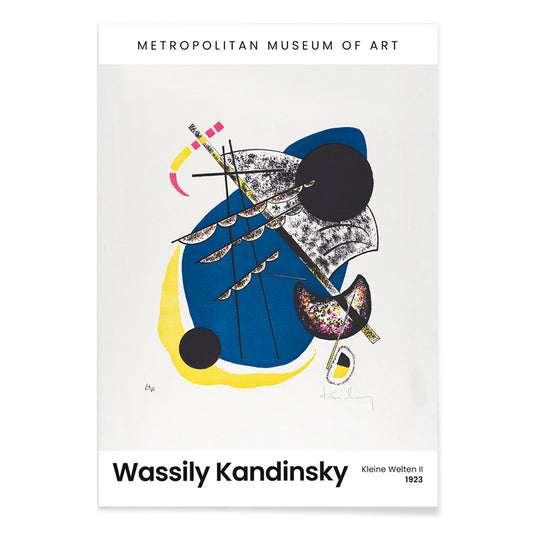
Kleine Welten II Poster
Wassily Kandinsky · 1922 · Rhythmic geometric art print with floating circles, sharp lines, and a bold black field
Poster from €9 · Framed from €16
Regular price From €6,00Regular price -
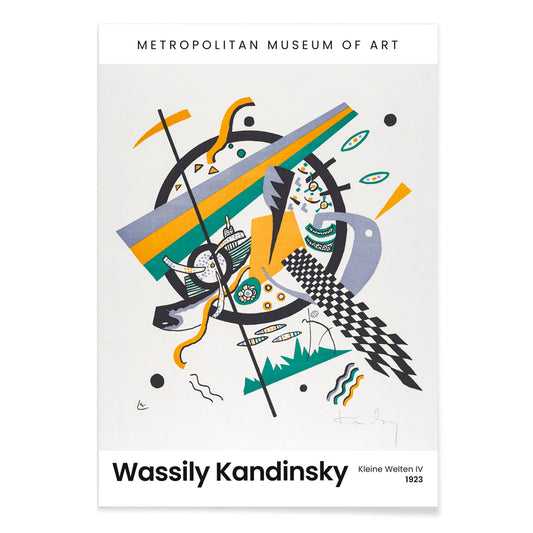
Kleine Welten IV Poster
Wassily Kandinsky · 1922 · Abstract art print of circles and angular lines with bright blue yellow green accents
Poster from €9 · Framed from €16
Regular price From €6,00Regular price -
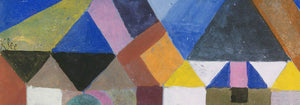
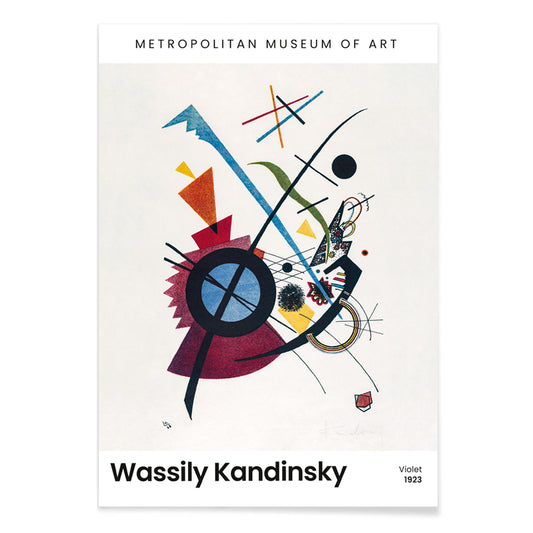
Violet Poster
Wassily Kandinsky · 1923 · Geometric abstract art print with violet, blue, and yellow shapes on pale ground
Poster from €9 · Framed from €16
Regular price From €6,00Regular price -
Four Parts Poster
Wassily Kandinsky · 1932 · Abstract art print divided into four fields of crisp lines and shapes
Poster from €9 · Framed from €16
Regular price From €6,00Regular price -
Kleine Welten V Poster
Wassily Kandinsky · 1922 · Rhythmic geometric poster of circles and sharp lines against a deep black field
Poster from €9 · Framed from €16
Regular price From €6,00Regular price -
Kleine Welten I Poster
Wassily Kandinsky · 1922 · Geometric abstract poster balancing circles, lines, and bright primary accents on white
Poster from €9 · Framed from €16
Regular price From €6,00Regular price -
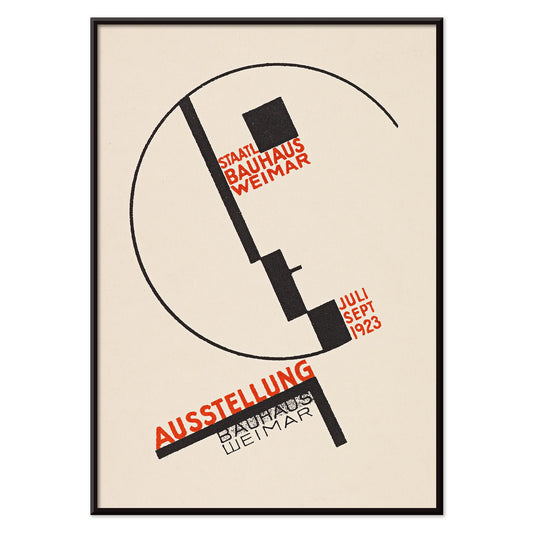
Bauhaus Weimar exhibition Poster
Dörte Helm · 1923 · Bauhaus exhibition poster with bold geometry and red typography on beige paper
Poster from €9 · Framed from €16
Regular price From €6,00Regular price -
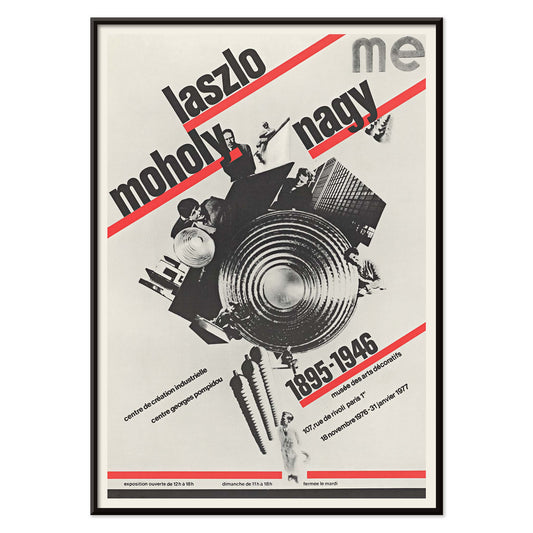
László Moholy-Nagy poster Poster
Roman Cieślewicz · 1976 · Bauhaus poster with bold diagonal typography and a black collage core
Poster from €9 · Framed from €16
Regular price From €6,00Regular price

































- Bauhaus 21 Poster
- Bauhaus Ausstellung Poster
- Bauhaus Poster 19 Poster
- Bauhaus Poster 18 Poster
- Bauhaus Poster 17 Poster
- Auf Weiss II Poster
- Circles in a circle Poster
- Heavy Red Poster
- Transmission Poster
- Orange Poster
- Light Circle Poster
- Bauhaus poster 16 Poster
- Bauhaus poster 15 Poster
- Bauhaus Poster 14 Poster
- Bauhaus Poster 13 Poster
- Bauhaus Poster 12 Poster
- Bauhaus Poster 11 Poster
- Bauhaus Poster 10 Poster
- Bauhaus Poster 9 Poster
- Bauhaus Poster 7 Poster
- Bauhaus Poster 6 Poster
- Bauhaus Poster 4 Poster
- Bauhaus Poster 5 Poster
- Bauhaus Poster 2 Poster
- Bauhaus Poster 1 Poster
- Bauhaus Poster 3 Poster
- Fröhlicher Aufstieg Poster
- Gewebe Poster
- Kleine Welten IV Poster
- Violet Poster
- Four Parts Poster
- Kleine Welten I Poster
Bauhaus posters as modern folklore
Born in Weimar and sharpened in Dessau, the Bauhaus treated the poster as a laboratory: clean type, hard-edged geometry, and color used like a tool. These vintage compositions still read as current wall art because they describe structure rather than fashion. Across the Bauhaus collection, circles, bars, grids, and diagonals become visual music, balanced between order and play. The result is graphic decoration with an architectural pulse, closer to a floor plan or a score than to illustration.
Kandinsky and the grammar of color
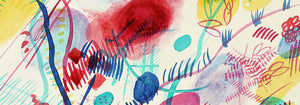
Wassily Kandinsky’s Bauhaus period shows how abstraction can be both rigorous and lyrical, with forms that behave like signs as much as shapes. In Four Parts (1932) by Wassily Kandinsky, four panels read like movements in a suite: slender lines, arcs, and measured pauses, each section nudging the next. Circles in a Circle, Bauhaus exhibition (1923) turns the page into a cosmic diagram where discs overlap and glow against a dark field, echoing classroom exercises in balance and tension. For a wider context, the Wassily Kandinsky and Abstract collections trace how this visual language moved between pedagogy and painting.
Placing Bauhaus wall art at home
Because Bauhaus design was made for real rooms, these posters sit naturally where materials already have presence: hallways with strong sightlines, offices with shelving, kitchens with steel and tile, or living rooms with low seating. Let saturated red or mustard shapes play against warm woods; let quieter compositions hold space above linen or wool upholstery. If your palette leans neutral, start with companions from Black & White, then add one controlled accent from Red or Yellow. When you want the Bauhaus logic without visual noise, Minimalist posters keep the same economy of form while lowering contrast.
Pairing, scale, and framing decisions
When curating Bauhaus prints, think in rhythm: alternate dense, diagram-like works with open, airy ones. Heavy Red, Bauhaus exhibition (1924) by Wassily Kandinsky uses a weighty scarlet block that can anchor a wall above a sideboard; pair it with the pale geometry of Auf Weiss II, Bauhaus exhibition (1923) to let the eye breathe. For a more playful counterpoint, Kleine Welten IV (1922) by Wassily Kandinsky scatters tiny forms like notes on a workbench, useful when you need energy without a large block of color. Keep framing simple with Frames or the pared-back profiles in Classic Frame; wide mats echo Bauhaus spacing and make the print feel more architectural.
Why the Bauhaus still speaks
What makes these designs endure is their ethic of legibility: form clarifies how we live, move, and read. That is why a Bauhaus poster can coexist with Scandinavian furniture, 1970s chrome, or even natural-history prints without feeling out of place. If you like seeing movements in conversation, Famous Artists widens the view beyond the school, while All Posters helps you track recurring motifs across themes. Leave a margin of blank wall around one strong composition and the room reads as intentionally structured, not merely filled.