
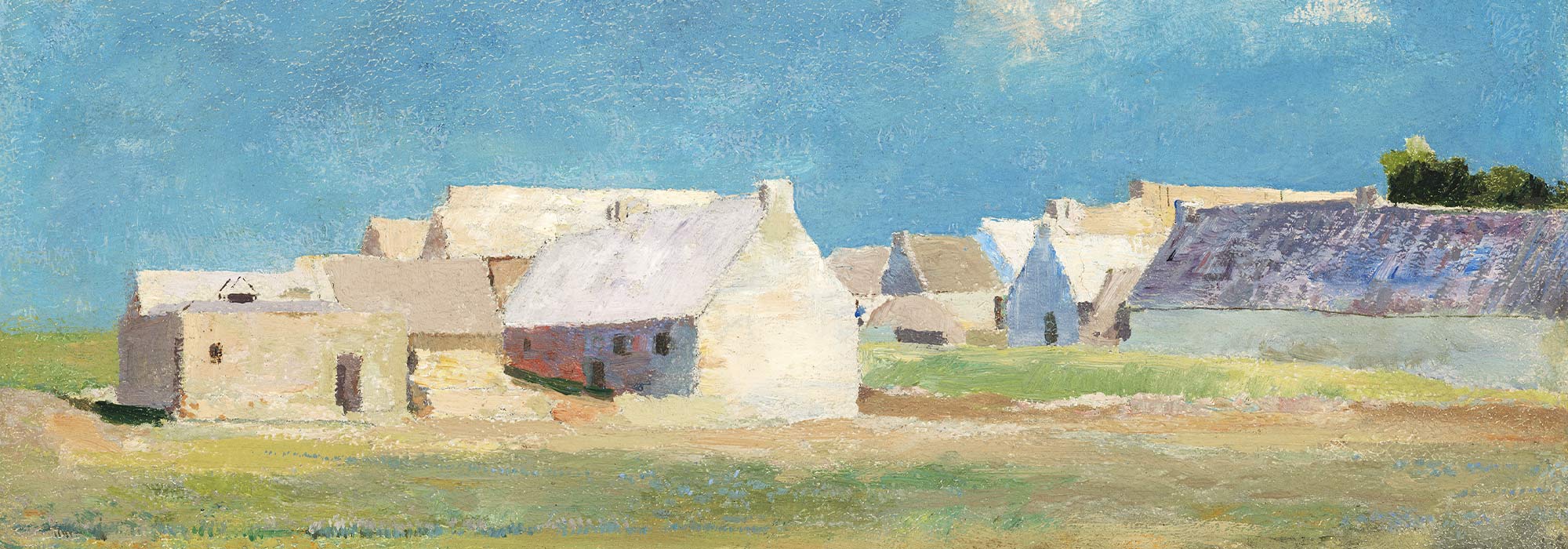
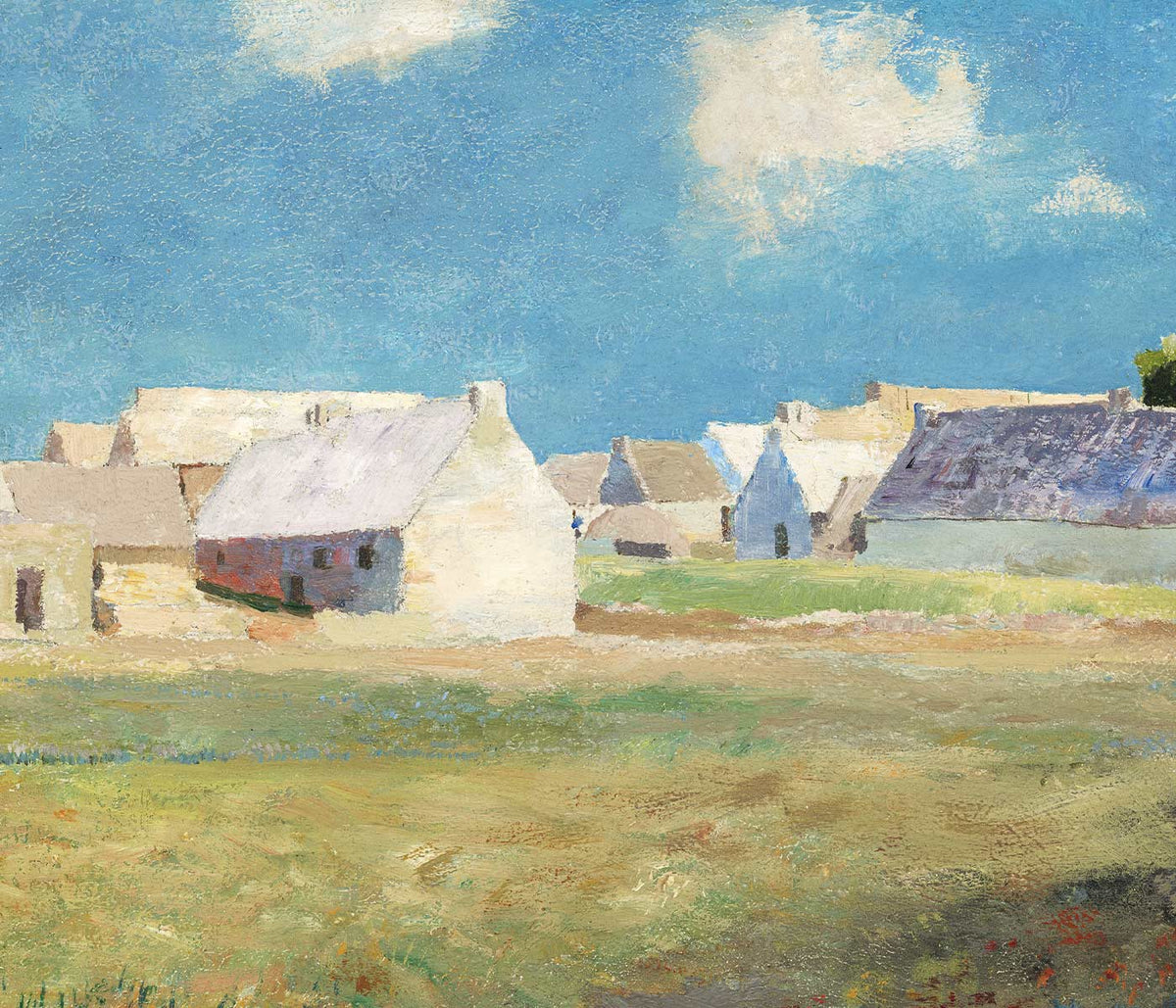




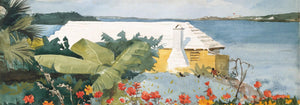











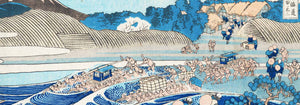






- Early Autumn in Urayasu Poster
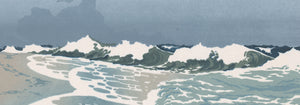
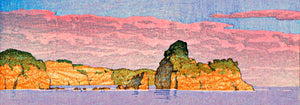
- Morning at Cape Inubō Poster
- Ecchu Umidani Pass Poster
- Daybreak over Lake Yamanaka Poster
- View of the Eiffel Tower Poster
- Lisbon Bridge Poster
- Alfama Poster
- Lisbon Old City 1 Poster
- Lisbon Old City 2 Poster
- Mitre Peak Poster
- Le mont Paitju Poster
- Le Siniolchu Poster
- Aiguille calcaire Poster
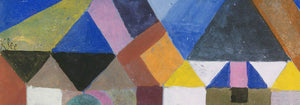
- Staircase Poster
- Le pic K2 Poster
- Broad Peak Poster
- Yoshino Poster
- Ryoson Poster
- Green Landscape Poster
- Mount Fuji Poster
- The New Yorker Poster
- Iwakuni City Poster
- Brazil 2 Poster
- Travel to Morocco Poster
- Travel to Italy Poster
- Travel to Santorini Poster
- Travel to London Poster
- Travel to Venice Poster
- Travel to Paris Poster
- Faust , tragédie de Goethe Poster
- Lac Des Quatre-Cantons Poster
-
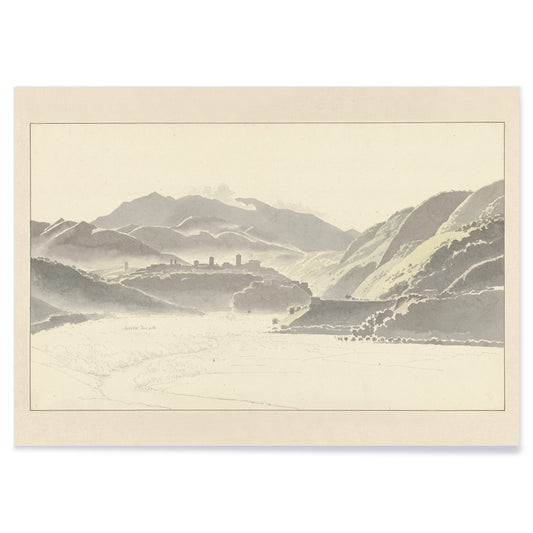
View of Cittaducale Poster
Josephus Augustus Knip · 1806 · Serene Italian landscape art print featuring a distant hillside town and soft neutral tones
Poster from €9 · Framed from €16
Regular price From €6,00Regular price -
Two guys in the mountain Poster
Johannes Hilverdink · 1875 · Adventurous mountain art print with two travelers dwarfed by rugged peaks
Poster from €9 · Framed from €16
Regular price From €6,00Regular price -
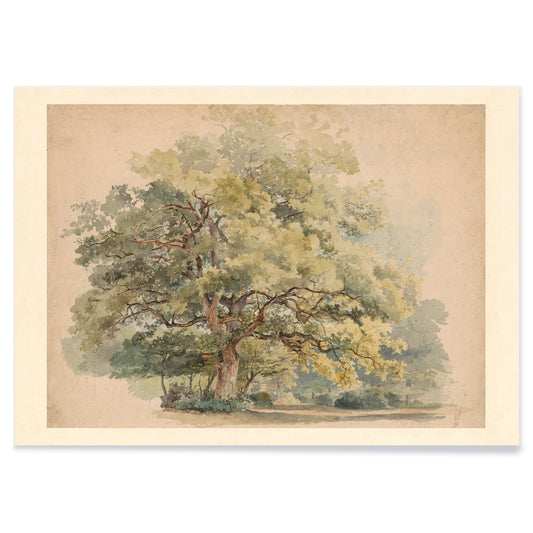
Lonely tree Poster
George Andries Roth · 1849 · Quiet landscape art print centered on a solitary tree in soft green light
Poster from €9 · Framed from €16
Regular price From €6,00Regular price -
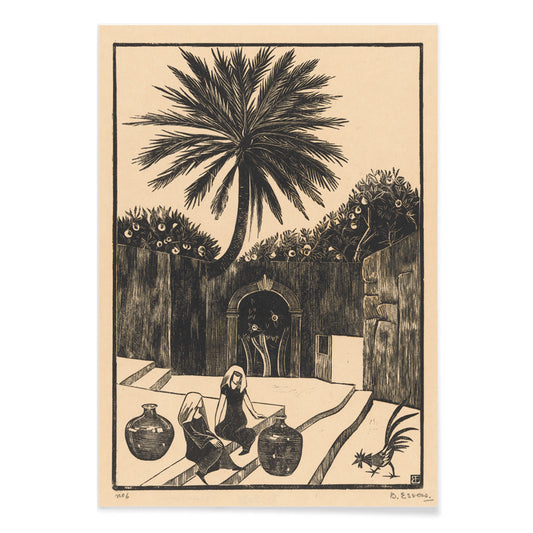
Street in Taormina Poster
Bernard Essers · 1927 · Sunlit Taormina steps poster with palm silhouette and strolling figures in crisp black line
Poster from €9 · Framed from €16
Regular price From €6,00Regular price -
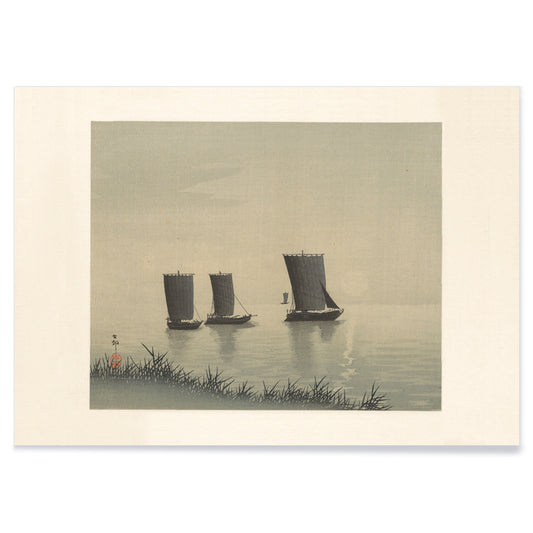
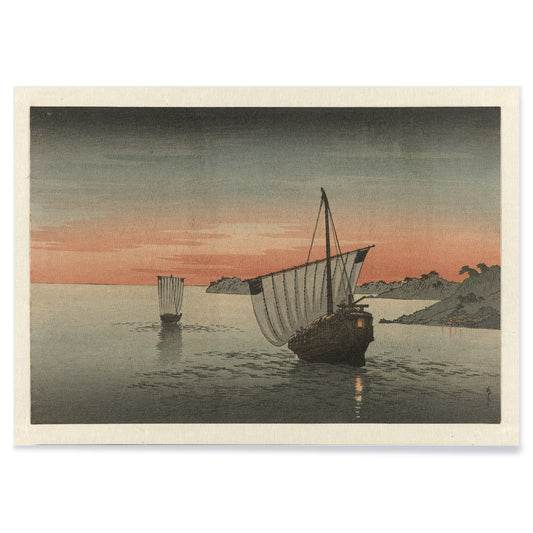
Fishing Boats Poster
Ohara Koson · 1910 · Quiet shin-hanga art print of three fishing boats drifting on calm evening water
Poster from €9 · Framed from €16
Regular price From €6,00Regular price -
Colombo Beach in Ceylon Poster
Adolphus William Albert Plâté · 1940 · Serene Colombo beach poster with palm silhouettes and a quiet bench facing the sea
Poster from €9 · Framed from €16
Regular price From €6,00Regular price -
Palm Coast Poster
Onnes Kurkdjian · 1895 · Tropical coastline poster with tall palms and calm water in muted beige tones
Poster from €9 · Framed from €16
Regular price From €6,00Regular price -
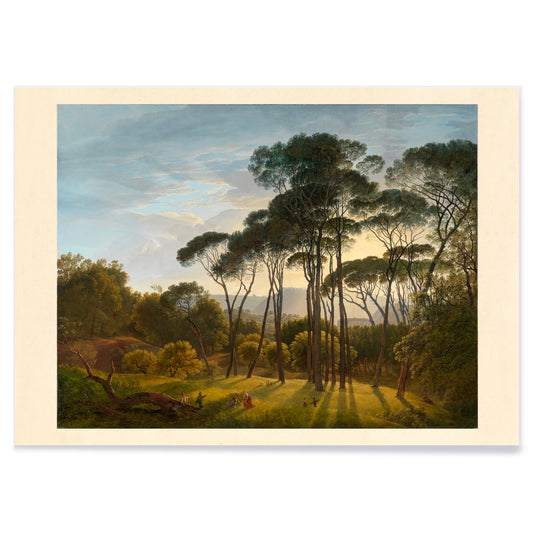
Umbrella Pines Poster
Hendrik Voogd · 1816 · Serene Italian landscape art print featuring umbrella pines, warm light, and distant blue hills
Poster from €9 · Framed from €16
Regular price From €6,00Regular price -
Two sailing ships Poster
Yoshimune Utagawa · 1850 · Serene ukiyo-e print of two sailing ships gliding across softly colored evening waters
Poster from €9 · Framed from €16
Regular price From €6,00Regular price -
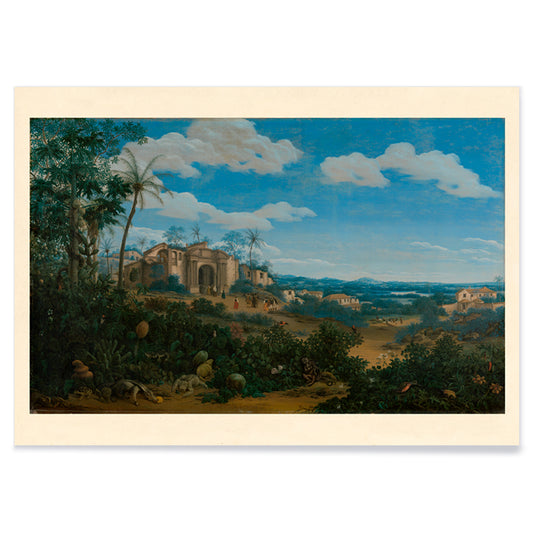
Olinda Poster
Frans Jansz Post · 1662 · Serene Olinda coastal panorama art print blending tropical greens with airy blue sky
Poster from €9 · Framed from €16
Regular price From €6,00Regular price -
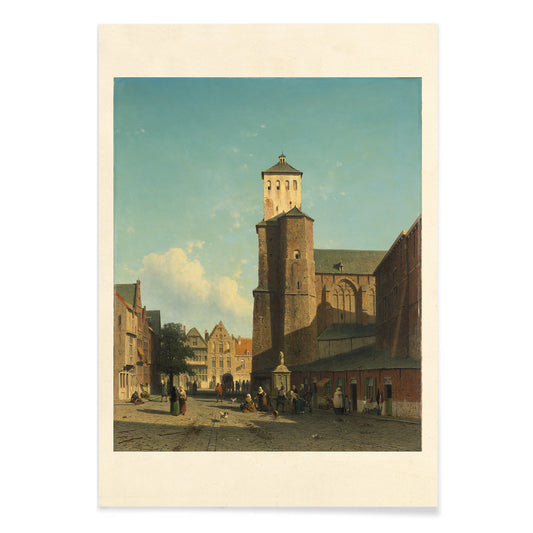
St Denis Church Poster
Jan Weissenbruch · 1846 · Sunlit city-square art print centered on St Denis Church with blue sky and warm stone
Poster from €9 · Framed from €16
Regular price From €6,00Regular price -
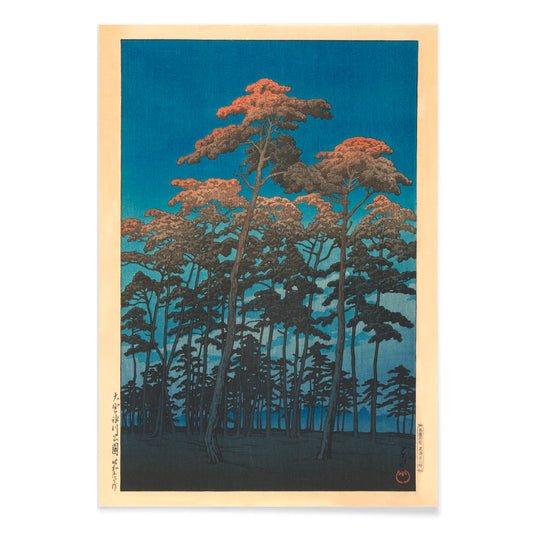
Hikawa Park Poster
Kawase Hasui · 1930 · Tranquil landscape poster with tall pines silhouetted against blue dusk and warm sunset glow
Poster from €9 · Framed from €16
Regular price From €6,00Regular price -
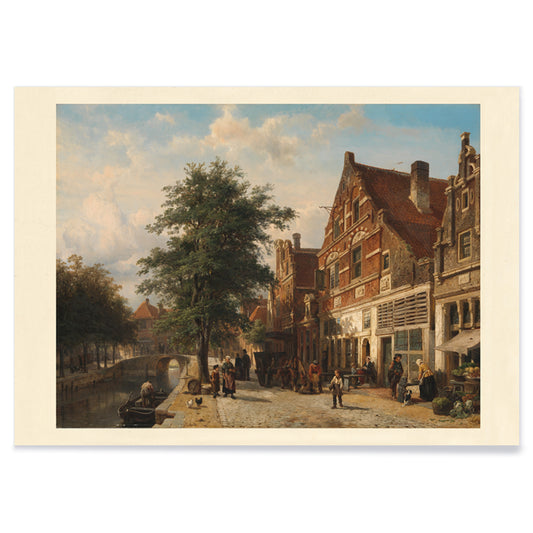
Town View Poster
Cornelis Springer · 1850 · Luminous Dutch cityscape art print with crisp façades, canal reflections, and strolling figures
Poster from €9 · Framed from €16
Regular price From €6,00Regular price -
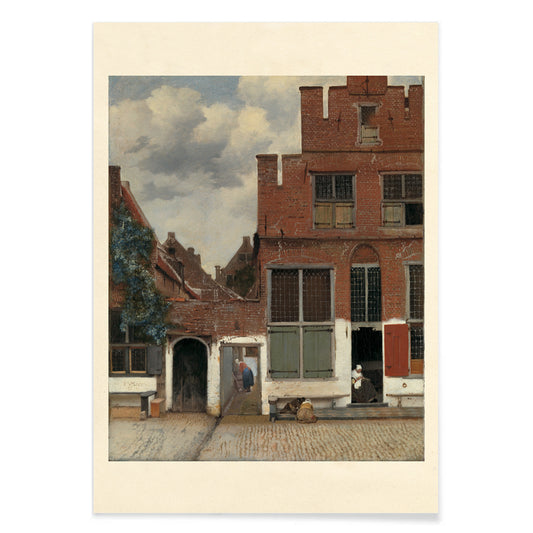
The Little Street Poster
Johannes Vermeer · 1658 · Quiet Delft street art print with brick facades, doorway shadows, and daily life
Poster from €9 · Framed from €16
Regular price From €6,00Regular price -
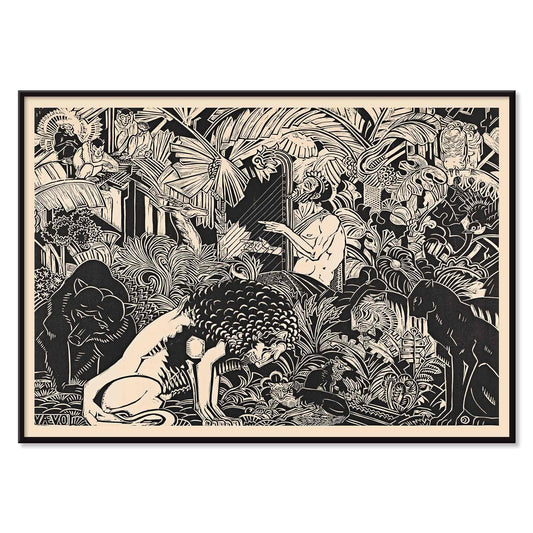
Orpheus Poster
Henri van der Stok · 1899 · Mythic Orpheus poster with a harpist calming birds and woodland animals
Poster from €9 · Framed from €16
Regular price From €6,00Regular price -
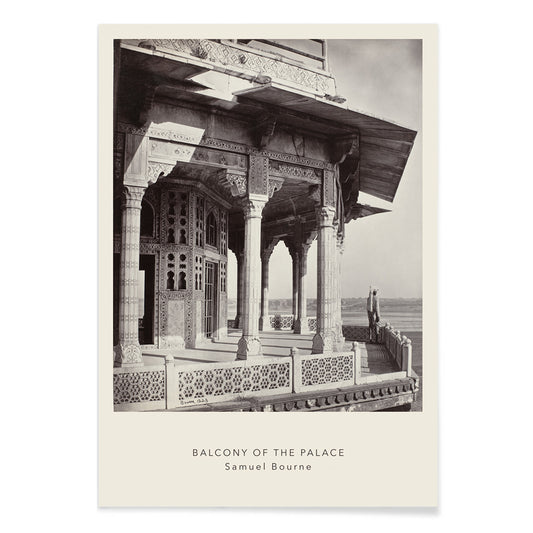
Balcony of the Palace Poster
Samuel Bourne · 1870 · Black and white palace balcony print featuring ornate columns and deep architectural perspective
Poster from €9 · Framed from €16
Regular price From €6,00Regular price -
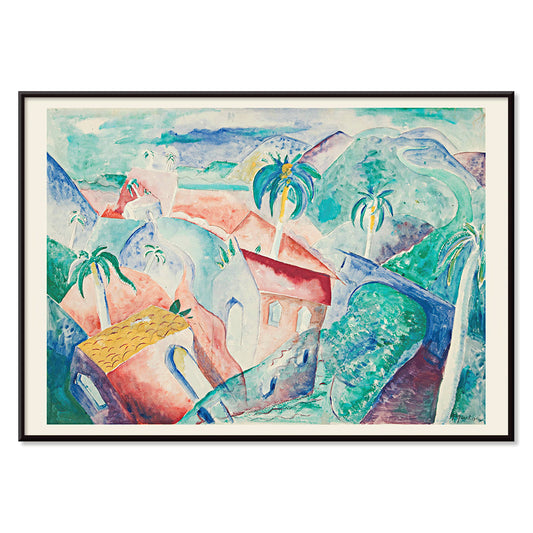
Cuban Landscape Poster
Paul Gaulois · 1926 · Sunlit Cuban landscape poster balancing lush greens, cobalt sky, and warm village tones
Poster from €9 · Framed from €16
Regular price From €6,00Regular price -
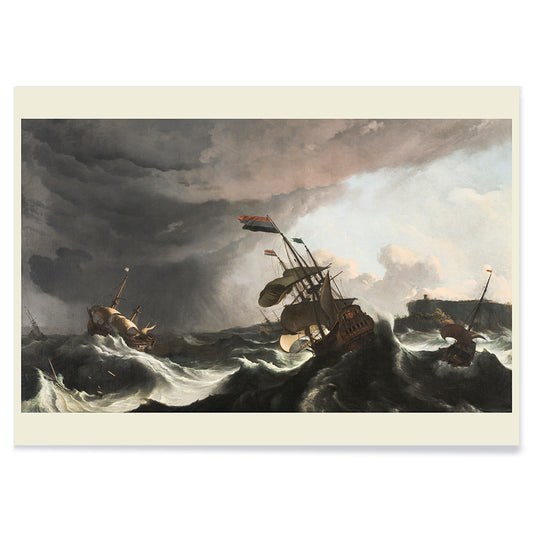
Warships in a Heavy Storm Poster
Ludolf Bakhuysen · 1690 · Dramatic storm-sea art print with warships battling towering waves beneath a broken sky
Poster from €9 · Framed from €16
Regular price From €6,00Regular price -
Barges on the beach Poster
Willem Anthonie van Deventer · 1870 · Quiet coastal art print with beached barges and muted beige grey blue tones
Poster from €9 · Framed from €16
Regular price From €6,00Regular price -
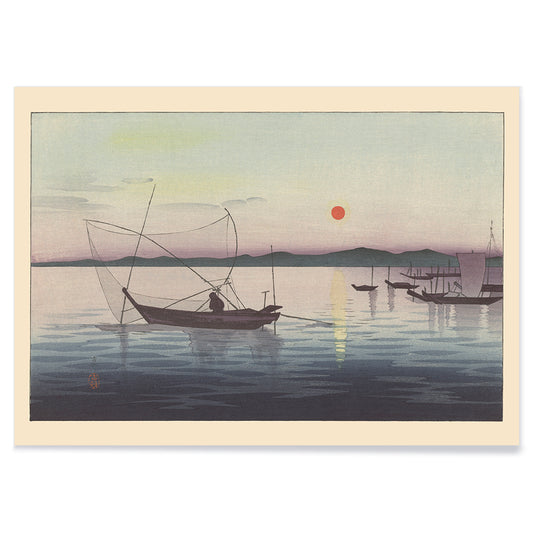
Boats at sunset Poster
Ohara Matao · 1927 · Serene boats poster with red sun sinking over blue water in dusk haze
Poster from €9 · Framed from €16
Regular price From €6,00Regular price -
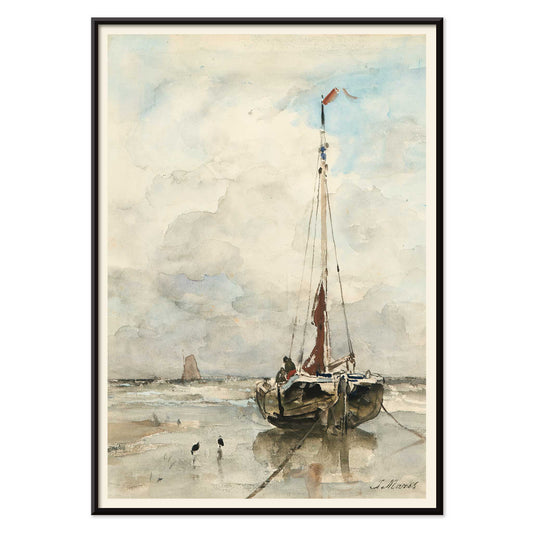
Sail boat Poster
Jacob Hendricus Maris · 1876 · Quiet sailboat art print with wide sky and soft coastal light
Poster from €9 · Framed from €16
Regular price From €6,00Regular price -
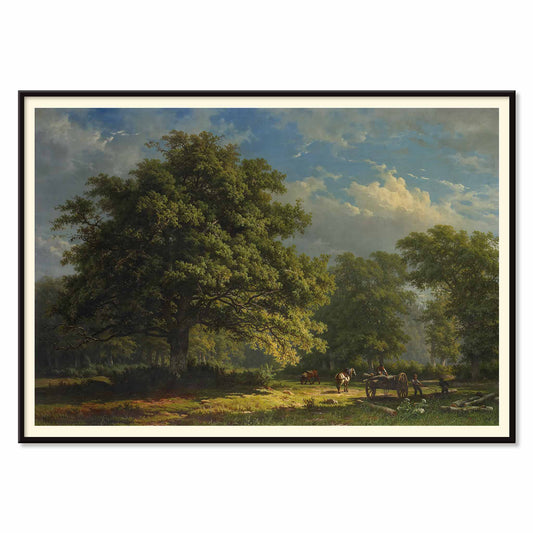
Bentheim Forest Poster
George Andries Roth · 1837 · Quiet woodland art print with travelers and horses beneath towering trees
Poster from €9 · Framed from €16
Regular price From €6,00Regular price -
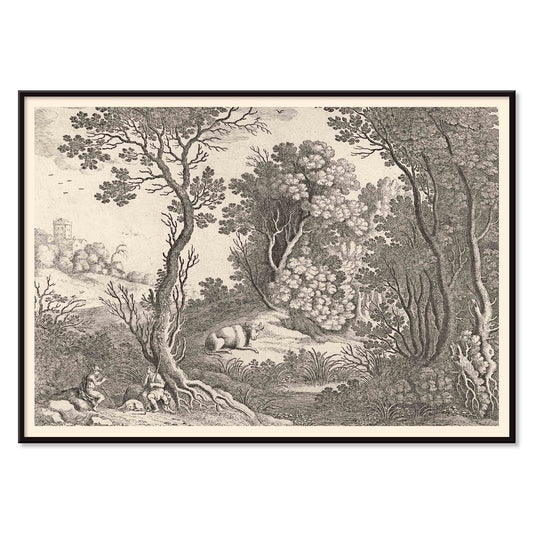
Mercury plays his flute Poster
Willem van Nieulandt · 1627 · Mythological art print of Mercury playing a flute as animals gather in a woodland
Poster from €9 · Framed from €16
Regular price From €6,00Regular price -
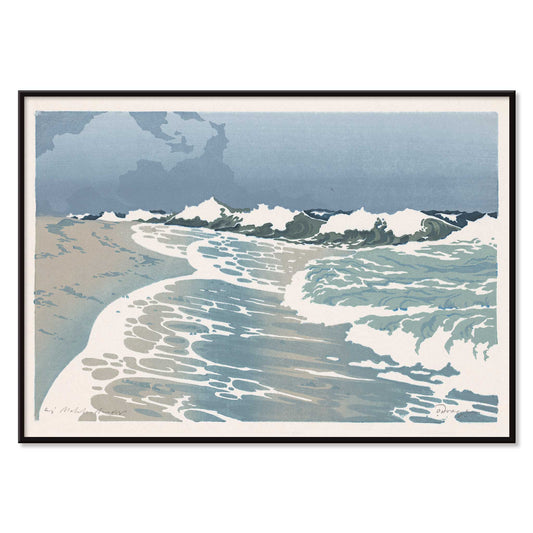
Sea Shore Poster
Orest Droegly · 1970 · Serene wave poster in layered blue bands with airy white foam
Poster from €9 · Framed from €16
Regular price From €6,00Regular price -
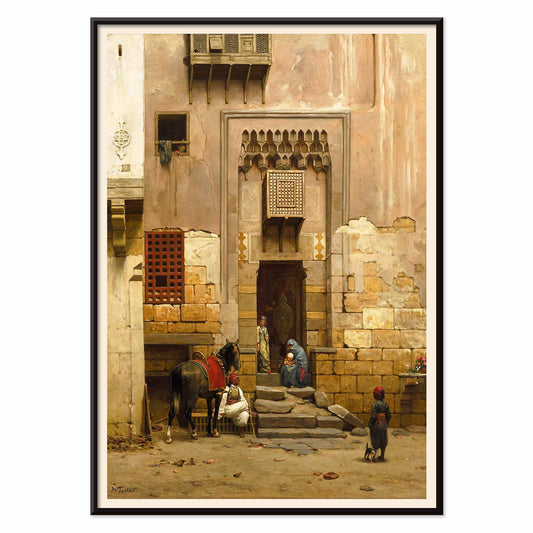
The Courtyard of a house in Cairo Poster
Willem de Famars Testas · 1864 · Sunlit Cairo courtyard art print with figures, horse, and warm architectural shadows
Poster from €9 · Framed from €16
Regular price From €6,00Regular price -
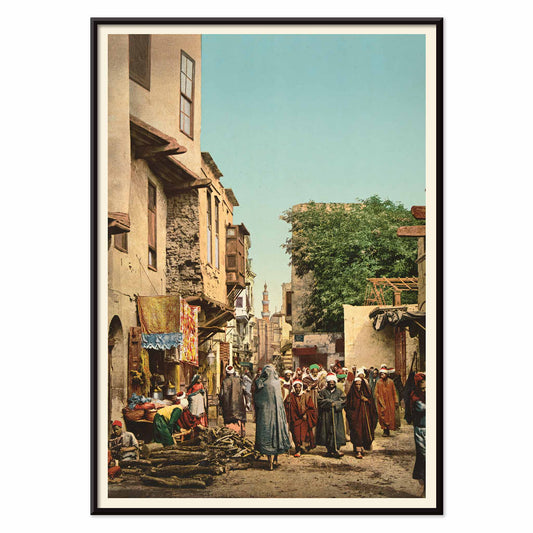
Street scene in North Africa Poster
Edwin Lord Weeks · 1927 · Sunlit North African street poster blending warm earth tones with cool blue shadows
Poster from €9 · Framed from €16
Regular price From €6,00Regular price -
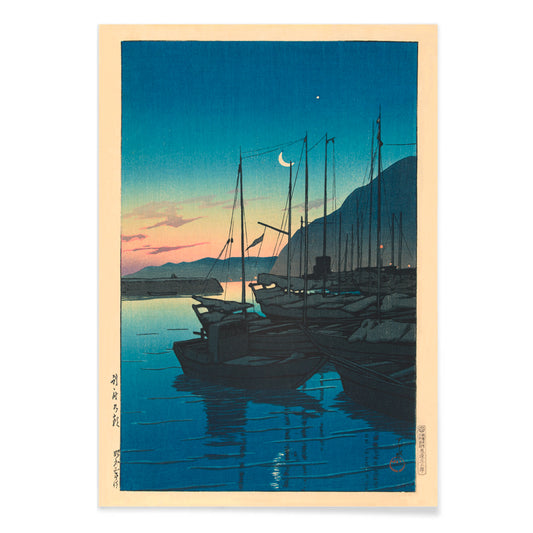
Morning in Beppu Poster
Kawase Hasui · 1937 · Quiet harbor at sunrise art print with boats, mist, and luminous reflections
Poster from €9 · Framed from €16
Regular price From €6,00Regular price -
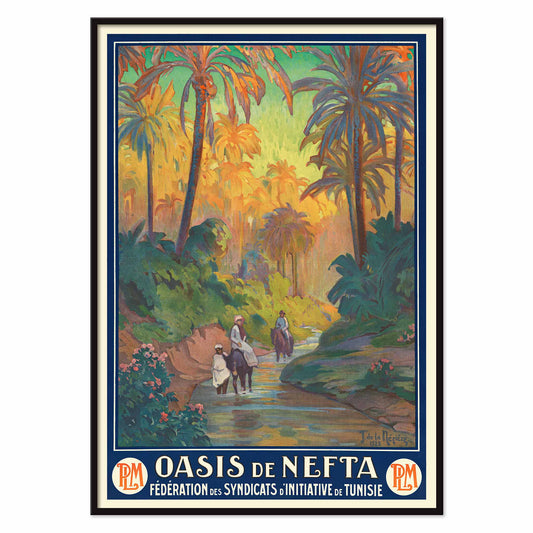
Oasis de Nefta Poster
Joseph de La Nézière · 1925 · Oasis de Nefta appears as a vintage poster with palms beside a stream
Poster from €9 · Framed from €16
Regular price From €6,00Regular price



























28/172 items
Where the horizon becomes a story
Landscape is a quiet laboratory of mood: light, weather, distance, and the human urge to travel without moving. This collection gathers vintage poster and print imagery from late nineteenth-century painting to mid-century travel graphics, from alpine photography to Japanese woodblock visions. Some scenes feel documentary, others distilled into pattern and color, but all treat place as a kind of narrative.
Techniques, from carved blocks to silver gelatin
Japanese shin-hanga artists approached landscape like theatre, staging atmosphere through clean silhouettes and controlled gradation. In Fine Wind, Clear Morning (1829) by Katsushika Hokusai, Mount Fuji becomes a single red plane against a clear sky, a lesson in structural composition that still resonates with Minimalist wall art. A century later, Morning at Cape Inubō (1931) by Kawase Hasui shifts the drama to surf and shadow, using layered blues that feel almost cinematic. At the other extreme, Vittorio Sella’s expedition photographs such as Le pic K2 (1909) by Vittorio Sella turn texture and scale into subject matter, aligning naturally with the tonal restraint of Black & White prints.
Rooms, light, and the kind of calm you want
Landscape wall art is unusually responsive to lighting. North-facing rooms benefit from coastal scenes and pale skies that hold brightness longer; pairing a Hasui seascape with related prints from Sea & Ocean keeps the horizon line consistent without repeating the same palette. In corridors and stairwells, mountain imagery reads as upward momentum, while in bedrooms a gentler distance view can reduce visual noise. If your interior leans toward stone, linen, and oak, the humid greens and sunlit whites of Flower Garden and Bungalow, Bermuda (1899) by Winslow Homer sit comfortably alongside natural materials.
Curating by geography, then by rhythm
A strong gallery wall starts with rhythm rather than theme. Mix one broad horizon with one intimate foreground scene, then add a graphic counterpoint. Maps are especially useful because they introduce line-work and typography; a route diagram or coastal chart from Maps can sharpen the composition next to painterly color fields. For interiors that already feature vintage objects, travel-era graphics from Advertising can supply a period voice without overwhelming the quieter landscapes. When you want seasonal cadence and flatter color, the wider world of Oriental prints offers kindred motifs that pair well with landscape posters.
Why landscapes keep returning
Unlike portraiture, landscapes suggest a narrative and leave space for the viewer to finish it, which is why a vintage art print can sit across styles from Scandinavian restraint to antique cabinets. A useful approach is to choose one anchor image, then echo its dominant note elsewhere: Fuji’s iron red, Cross’s pastel haze, or Sella’s graphite greys in a textile, vase, or rug. The Pink Cloud (1896) by Henri-Edmond Cross is particularly effective when you need color that stays airy rather than heavy. For broader context on how different painters and printmakers handle distance, the view across Famous Artists helps clarify what you respond to: haze, hard edges, or pure pattern.